 Collections
  Magazine
  Exhibitions
  ITA version













When Life Gives You Tangerines | A Quiet K-Drama Revolution on Netflix


Seasons
Runtime
In a narrative landscape dominated by heroes, intense traumas, and spectacular transformations, When Life Gives You Tangerines stands out as an act of creative disobedience. The show gracefully steps away from the logic of extraordinary events, the cult of exceptional characters, and the imperative for dramatic change. There are no time jumps, sudden twists, or reassuring endings here: only ordinary people, complex relationships, and half-finished conversations that leave space for what remains unsaid.
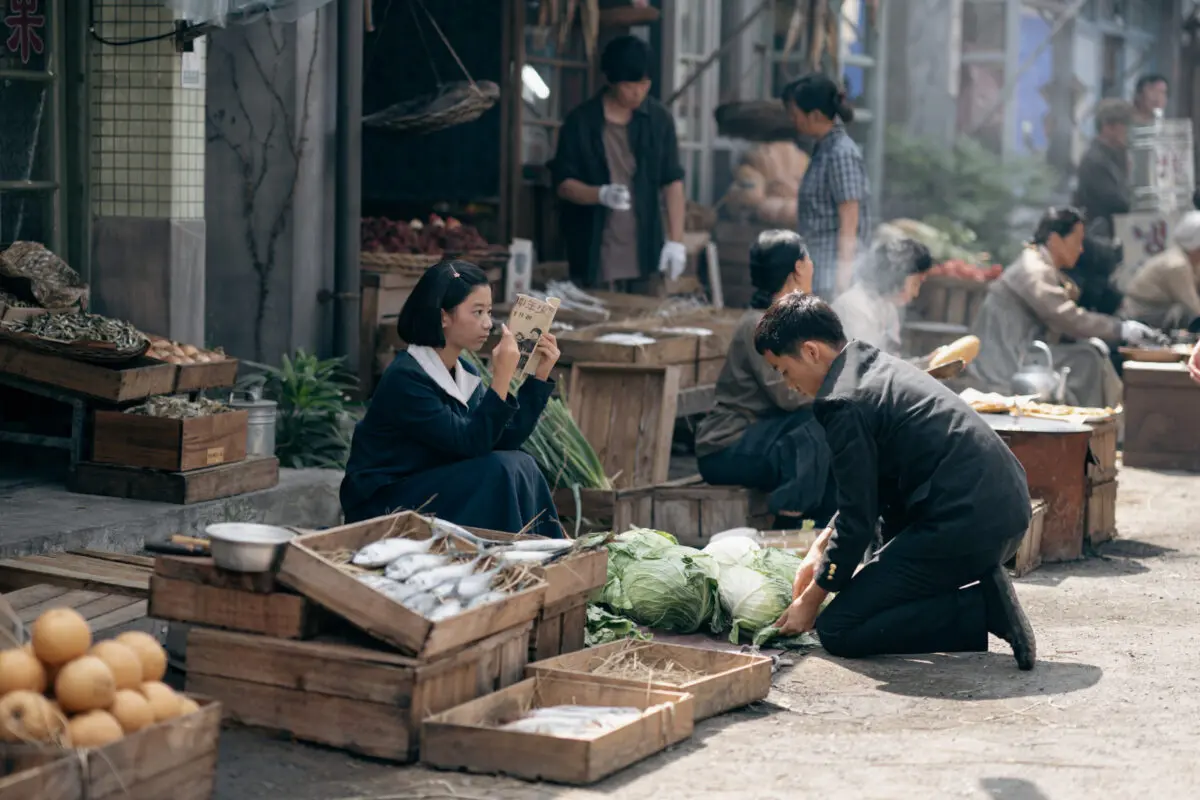
Created by director Kim Won-seok and screenwriter Lim Sang-choon, the show is a 2025 Netflix original set on South Korea’s Jeju Island. The show stars IU as Oh Ae-sun and Park Bo-gum as Gwan-sik, with Moon So-ri and Park Hae-joon in supporting roles.

Composed of ten episodes in a single season and performed in Korean, the show unfolds through a calm, unhurried rhythm that foregrounds community, silence, and the emotional power of the everyday. At its heart is Ae-sun, a spirited woman from a small coastal town.
Through her eyes, we follow a lifelong love story with Gwan-sik, a quiet and loyal man who has stood beside her since youth, as well as the family they built together through hardship, loss, and enduring tenderness. Ae-sun, once dreaming of a larger life, chooses to remain rooted in the rhythms of her town. Her decision reveals the quiet strength found in choosing simplicity, shaped by cultural limitations and personal convictions. The show portrays love, generational conflict, unfulfilled ambitions, and profound resilience—not in dramatic triumphs, but in the quiet continuity of everyday life.
Everyday Life as a Space of Resistance
Building on its deliberate stylistic choices, When Life Gives You Tangerines centers on a unique conception of time that defies the urgency of modern storytelling. Slowness is not merely an aesthetic effect; it is a narrative stance that invites viewers to pause, dwell in waiting, and immerse themselves in repetition and silence.
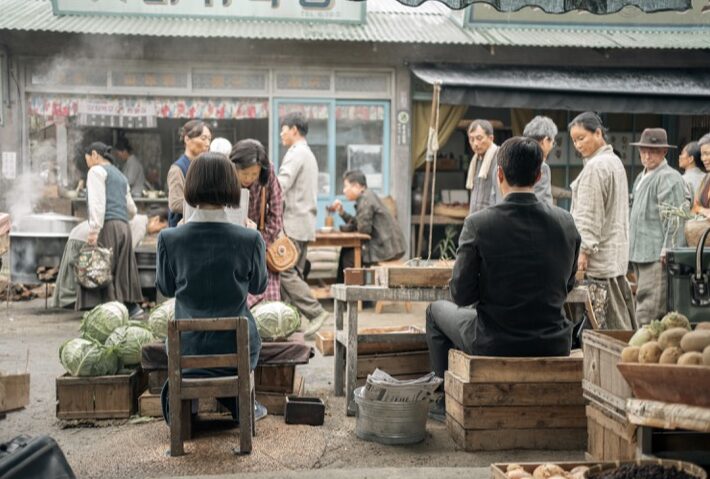
Episodes unfold in scenes that, while seemingly “going nowhere” in the conventional sense, open up spaces for reflecting on the value of minimal gestures: setting a table, listening without responding, sharing a glance. This measured pace is intricately linked with the idea of community. The show portrays life not as the journey of a solitary hero but as a complex tapestry of relationships, mutual care, and collective endurance.
When Life Gives You Tangerines explores how resilience is built day by day, not through grand individual exploits, but through the persistent strength of bonds and imperfections that enable coexistence and mutual support. In an era obsessed with efficiency and rapid change, this show becomes a manifesto for a different conception of time and resistance, one that is slow, shared, and communal.
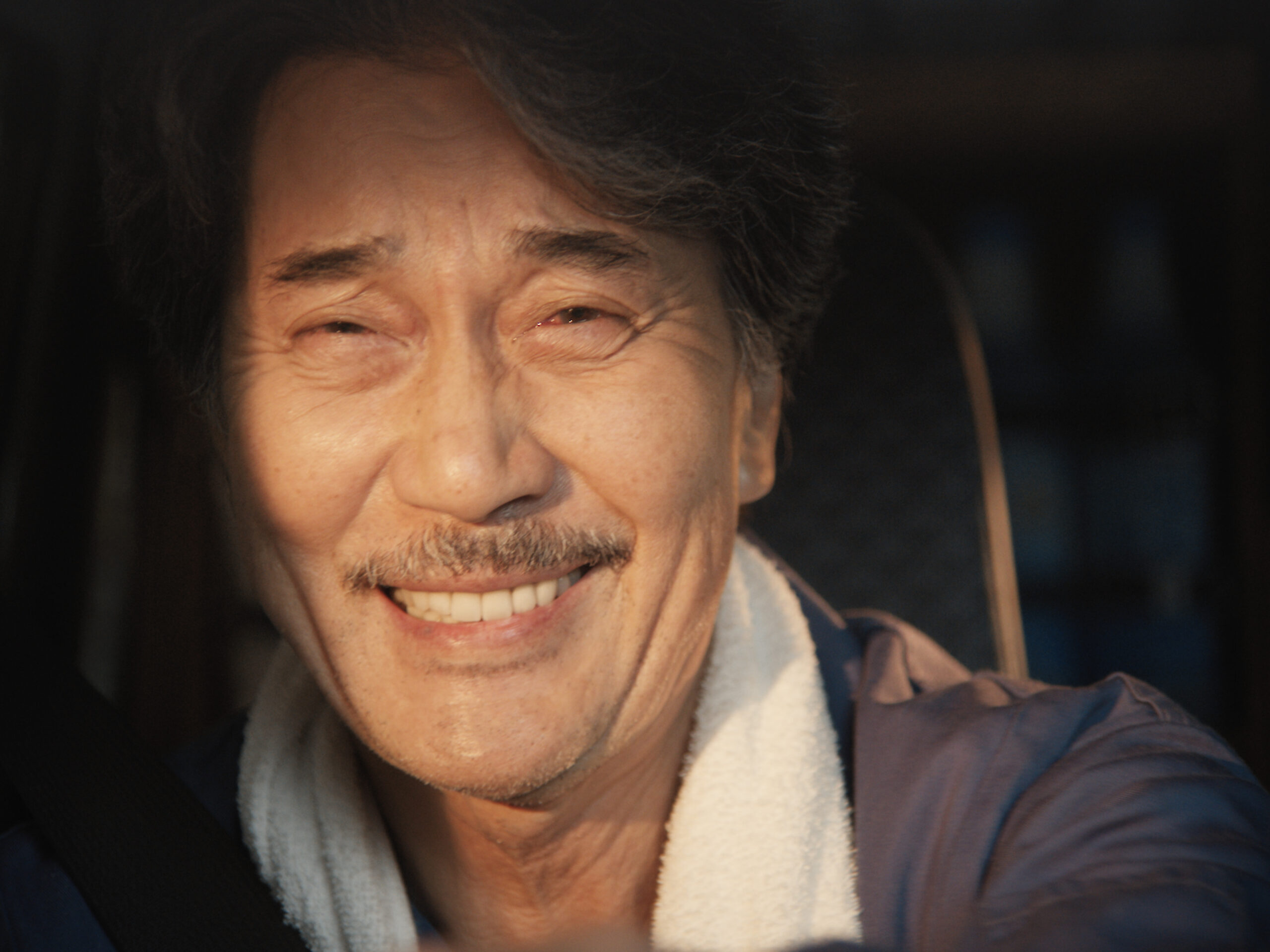
This philosophy resonates with Wim Wenders’ Perfect Days, where the protagonist Hirayama finds dignity and quiet joy in a routine life marked by simplicity, silence, and care. As Hirayama silently tends to plants, cleans restrooms, and captures fleeting moments of light filtering through trees (komorebi), Wenders offers a cinematic meditation on the beauty of the ordinary. Like When Life Gives You Tangerines, Perfect Days rejects urgency in favor of lingering presence, showing that small gestures can be powerful forms of meaning-making in a fast-moving world.
The Tangerines as Cultural Symbol
Why tangerines, though? The title immediately calls to mind the familiar saying “when life gives you lemons…,” but with a twist. Tangerines, unlike lemons, are sweet, tender, and evoke feelings of warmth and care. The choice of this fruit, deeply tied to Jeju Island’s culture, suggests not bitterness to be overcome, but a quiet sweetness to be cherished.
Jeju is synonymous with tangerines in the collective memory of South Korea: they represent the island’s identity, seasonal rhythms, and the labor of generations. In the show, they subtly symbolize the quiet perseverance of women like Ae-sun, those who stay, nurture, and grow through slow, unspoken work.
This fruit, often harvested by hand, stored in cellars, and passed down from one generation to the next, mirrors the emotional lives of the characters: soft yet firm, full of quiet endurance. It is no accident that Ae-sun’s life unfolds like a grove, rooted in one place, shaped by storms, yet still bearing fruit.
There are no grand speeches about the fruit in the show, yet the orchards appear consistently, scattered across scenes, serving as the backdrop to conversations, memories, and silences. Their presence is visual, symbolic, and lived in. They grow quietly, much like the relationships in the show. They need time and care, just like the forms of love and survival the characters choose.
In this way, the tangerine becomes a quiet metaphor for the show’s overall narrative: that life’s sweetness does not come after hardship, but within it. They stand as a modest emblem of the show’s refusal to conform to dramatic arcs and its embrace of daily, imperfect, lasting tenderness.
Against the Hero Narrative
Perhaps the show’s most radical gesture is its liberation of resilience from its contemporary mythology. Today’s media often portrays resilience as a personal triumph, the individual overcoming trauma, reinventing themselves, and achieving victory. Such narratives celebrate strength as conquest, typically in a solitary, heroic manner.
In When Life Gives You Tangerines, however, resilience is portrayed as ordinary, quiet, unspectacular, and never complete. It is composed of failed attempts, days that do not improve, and relationships that may crack yet never break. This is resilience as a relational process, one that relies on mutual support and is built collectively through fractures and missteps.
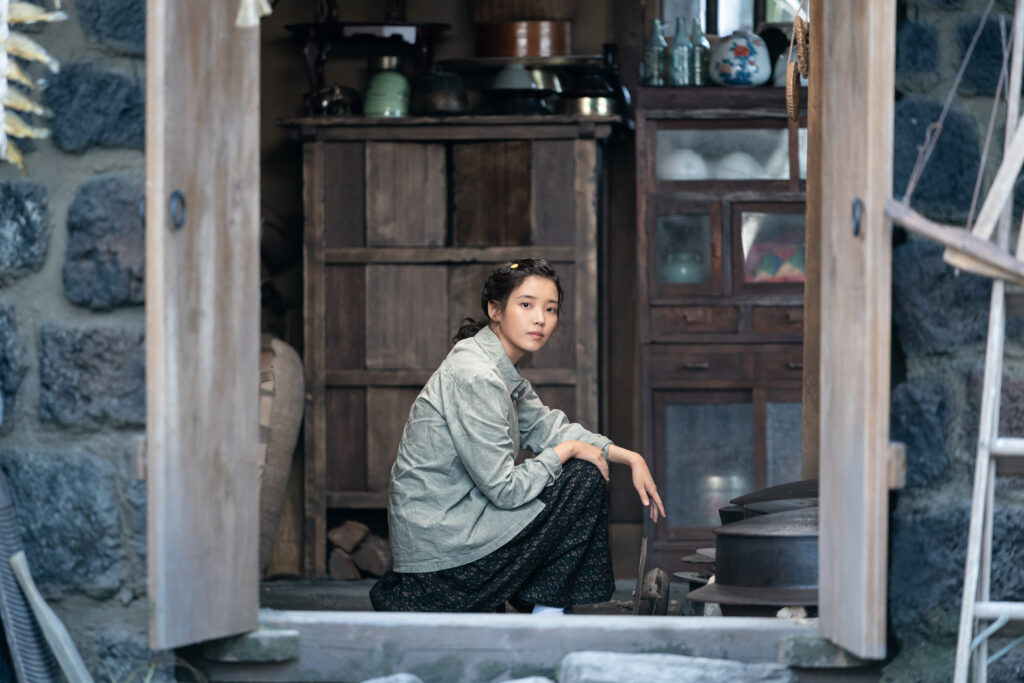
Through familial, friendly, and neighborly connections, the characters resist the pressures of the world. Care is a central yet understated theme that manifests in the smallest gestures: a warm plate left on the table, a longed-for but unmade call, or a silent yet significant presence. Here, the story evolves into a space of social listening. It doesn’t offer solutions or promise a happy ending. It doesn’t close; instead, it opens up to questions, doubts, and silences. Rather than guiding viewers toward a predetermined moral, it invites them to linger in uncertainty, sharing a collective reflection on human fragility, recognizing vulnerability not as something to overcome, but as a condition to inhabit.
We are living in an age of hatred. In Korea, there are countless walls—between generations, genders, regions—as well and those divisions are only becoming more solid. The dramas I create are essentially about living together. The world, whether in the past or now, has always been a difficult place to live in, and it becomes even harder if we don’t find ways to stand together. To coexist, I believe we need to recognize that others are just as valuable as we are. Ultimately, it’s a story about love. Love between partners, between friends, between family—these emotions are what make this world a place worth living in, together.
The Poetry of the Unresolved
When Life Gives You Tangerines avoids neat structures, perfect arcs, or closed loops. Instead, it claims the right to incompleteness, allowing mystery to persist and the unseen to remain visible. This approach emphasizes the themes of quiet resilience and imperfect survival, where lives are not defined by grand transformations but by small, persistent acts of care and connection.
By doing so, the show places trust in its viewers, inviting them not merely to interpret, but to share; not just to understand, but to feel. In a narrative ecosystem obsessed with conclusions, plot twists, and grand reveals, this show stands as a cultural act of resistance. It is an ode to micro-survival, to imperfect transformation, and silent persistence. While it may not provide clear answers, it teaches us that sometimes, the only revolutionary act is asking better questions.
Tag