 Collections
  Magazine
  Exhibitions
  ITA version













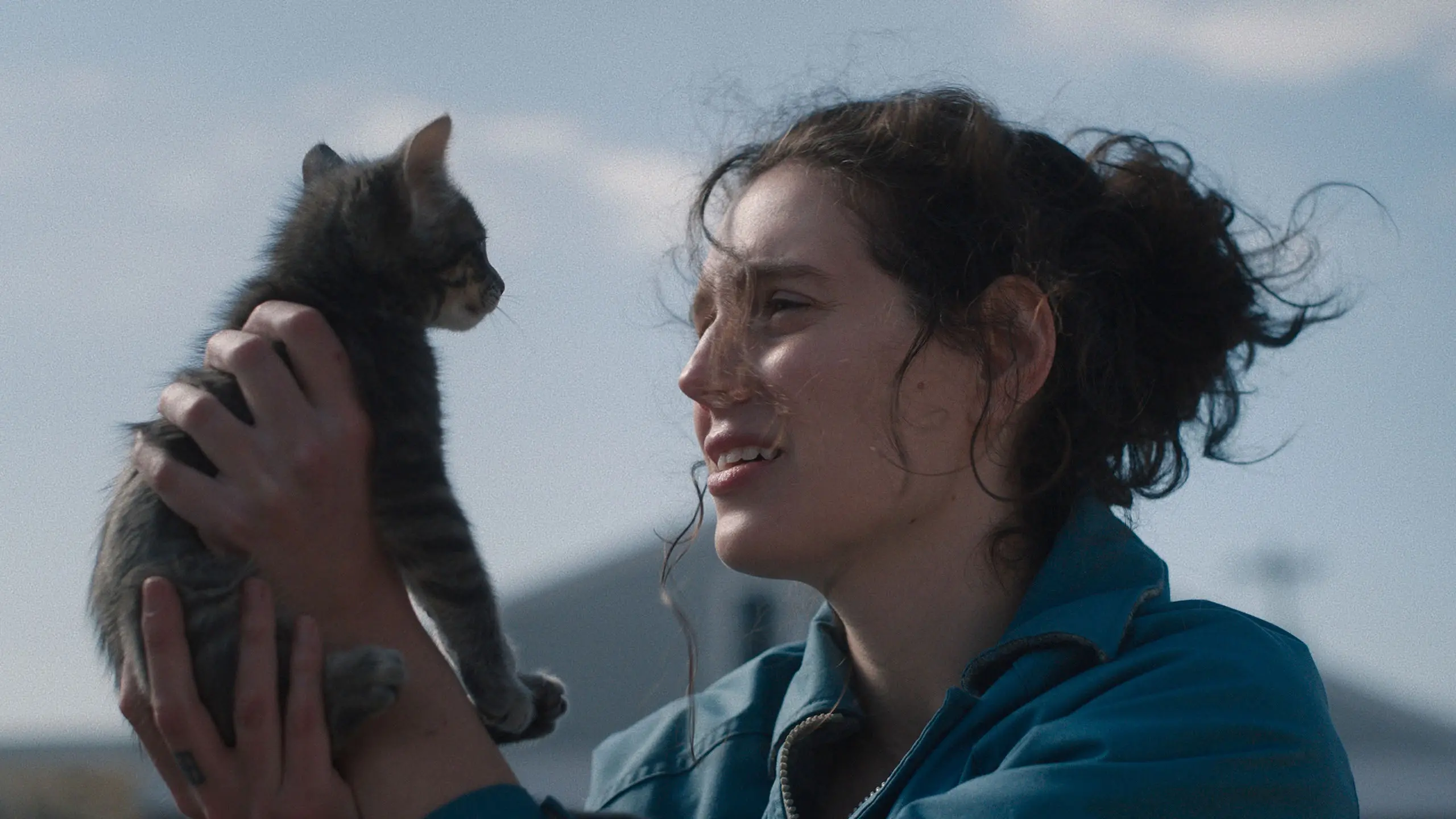
By pure coincidence, over the course of a few weeks I watched three films linked by a common thread: the apparent need to dismantle the image of the academic world, the MeToo movement, woke ideology, and the (American?) liberal bourgeoisie. Several other themes intertwine After the Hunt, the latest film by Luca Guadagnino, the debut feature by Eva Victor, Sorry Baby, and an earlier work by one of today’s most talked-about directors, Promising Young Woman by Emerald Fennell – whose much-anticipated “Wuthering Heights” is set for release in just a few days.
A necessary disclaimer: this article contains spoilers for the plots of all three films mentioned.
After the Hunt, Guadagnino’s film leaves more questions than answers
After the Hunt, the film Luca Guadagnino premiered in Venice in 2025 with a Hollywood cast, chooses an academic setting to investigate respectability (the trendiest would call it woke culture) and the hypocrisy of a certain liberal bourgeoisie in the aftermath of MeToo.
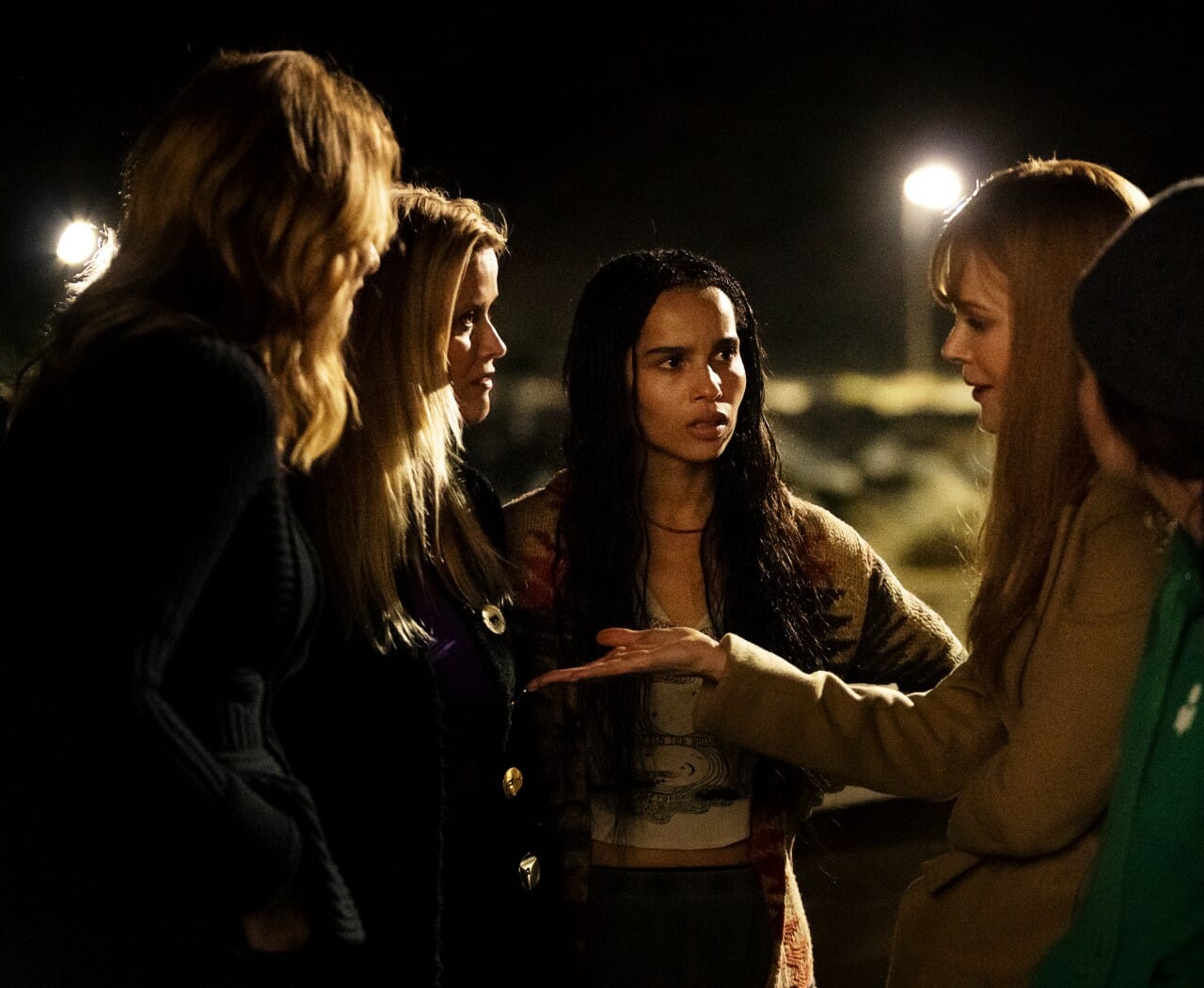
All the characters belong to a well-off, intellectual middle class. There is Alma (Julia Roberts), a respected philosophy professor at Yale, and her husband, the psychologist Frederik (Michael Stuhlbarg), who seems to be the only one able to see and call things by their real name. There is Alma’s colleague Hank (Andrew Garfield), her former lover who, despite being younger, is competing with her for a tenured position at the university. And there is PhD candidate Maggie (Ayo Edebiri), whom Alma mentors.

The inciting incident takes place after an evening at Alma and Fred’s home, and the protagonists recount it in opposing ways. Maggie claims Hank sexually harassed her; he accuses her of having fabricated everything to divert attention from a plagiarized thesis.
Before long, the film shifts its focus from the trauma itself to its retelling: how the characters report it, believe, deny, and instrumentalize it, also in light of each one’s personal history. From the incident – deliberately never shown – attention turns to its narration. And ultimately, even this loses its importance: the epilogue shows Alma and Maggie five years after the events. Both are successful professionals. Both, probably, have benefited from that negative experience.
A voice-over concludes the film: it is Luca Guadagnino’s “cut,” underlining that, in the end, what we have witnessed is a staged performance. With refined direction and a top-tier cast, certainly – but still a performance.
It is a viewing experience that intrigues but can leave one unsettled, suspended. Indeed, it divided critics: some noted how the film ultimately leaves all questions unresolved. One can imagine groups of friends outside the theater comparing their interpretations. And isn’t that, after all, the task of cinema? To push us to question the meaning of the ending, certain directorial choices, certain shots that seem to address the viewer directly?
Julia Roberts’ recommendation: Sorry, Baby and a director to watch
Like much of the audience, I too was intrigued by Julia Roberts‘recommendation from the Golden Globes stage on January 11: “Eva Victor, you’re my idol. If you haven’t seen Sorry, Baby, run and see it.” If Julia Roberts says so, who am I not to rush to the theater? What I didn’t expect was to find myself watching what felt almost like a prequel to After the Hunt.
Sorry, Baby is the debut feature by French-born, American-naturalized director Eva Victor, who at just 32 years old wrote, directed, and starred in her film. It is not an easy watch and shares a dual common thread with Guadagnino’s film: trauma at the center of the narrative and an academic setting.
Agnes (Eva Victor) is a young, respected professor at a remote New England college. The visit from her best friend Lydie (Naomi Ackie), who announces she is pregnant, reopens a trauma from years earlier, recounted through a series of flashbacks. Once again, the director hides violence itself from us: as Agnes enters her thesis advisor’s house, we remain outside. The hours pass, with a progression from day to night reminiscent of Vilhelm Hammershøi’s paintings.
When she emerges, rushing out without even lacing up her boots, the protagonist is in shock.

The author depicts the effects of that trauma, the power dynamics that “freeze” Agnes into an existence lived as a “spectator,” with an intelligent, at times ironic gaze that veers into social satire. Even the chapter titles that structure the narrative – “The Year of the Sandwich,” “The Year of Questions,” “The Year of the Baby” – recall the structure of Friends. As in After the Hunt, there is a sharp reflection on gender dynamics and the distortions of the MeToo movement, revealing a layered narrative that – once again – opens up questions.
Emerald Fennell and Promising Young Woman
Emerald Fennell offers a different reading of some of these themes in Promising Young Woman (2020), which she wrote and directed, now streaming on Prime Video.
Cassie (Carey Mulligan) is a former medical student who dropped out after a student sexually assaulted her best friend at a college party. Frozen in her university years, with a life split between working behind a bar and her childhood bedroom at her parents’ house, Cassie takes revenge on the entire male gender: a sort of sexy vigilante who lures men in order to humiliate them.

Even her love story with a former classmate proves illusory when Cassie discovers that he had witnessed the assault without intervening. The protagonist thus returns to her primary mission: revenge against a stagnant academic system and the perpetrators of that violence, pushing herself to the most extreme sacrifice.
Despite its accolades – the Oscar for Best Original Screenplay and nominations for Best Picture and Best Director – Emerald Fennell’s film appears far less nuanced than the works of Guadagnino and Victor. It seems more designed to provoke than to spark reflection: roles are clearly defined from the outset. Despite an appreciable underlying irony, there is no real character development and the analysis remains superficial. Aside from the major twist at the end of the second act, the film ultimately feels rather ephemeral.