 Collections
  Magazine
  Exhibitions
  ITA version













How Gogol's Petersburg Tales became part of the collective imagination


Length
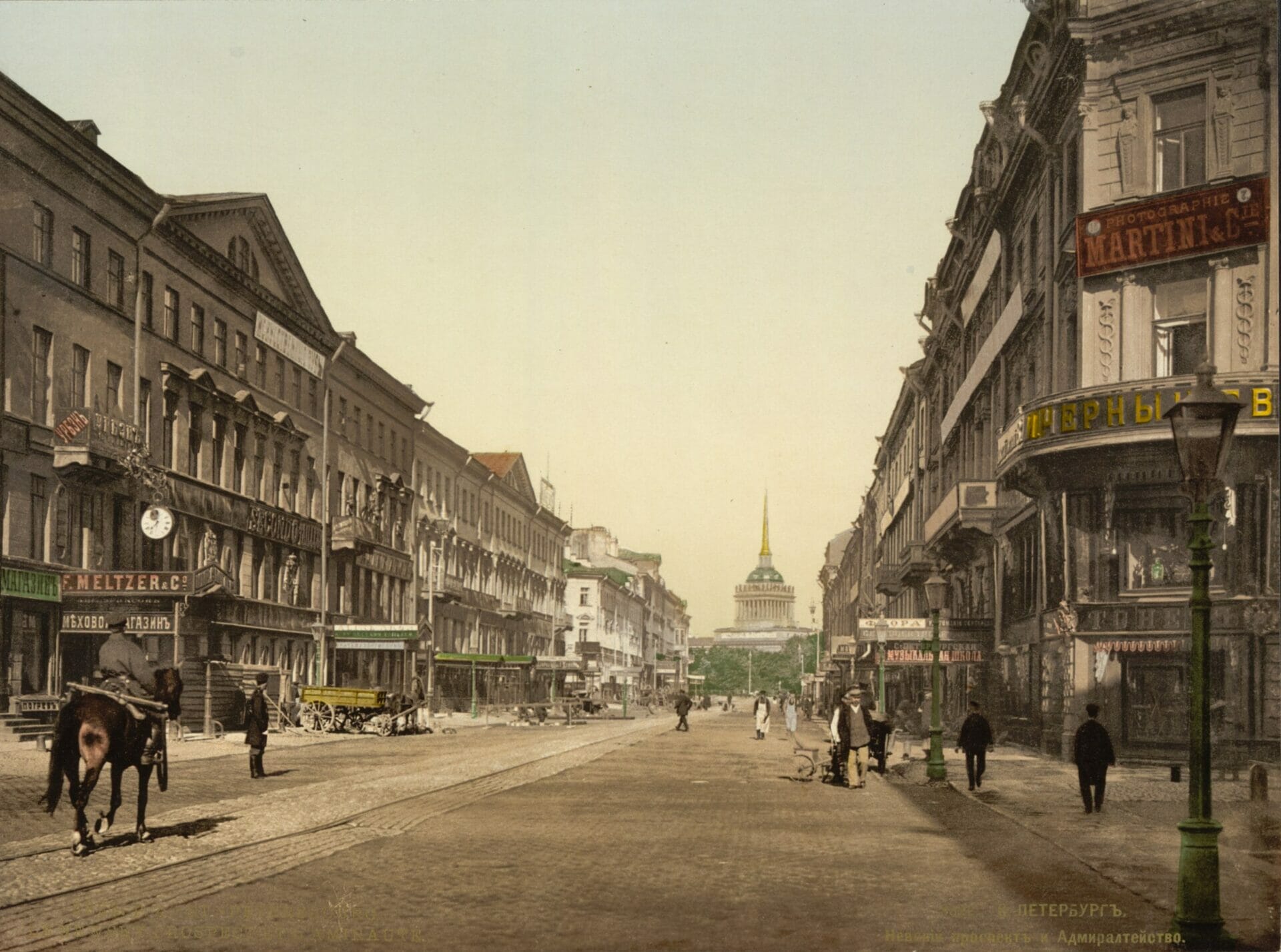
Petersburg Tales is a collection of short stories by Nikolai Gogol, published in 1842, uniting the earlier Arabesques with two other tales, The Overcoat and The Nose. The scenes where the barber finds the nose in a loaf of bread or the ghost of Akakij Akakievič, who died of cold, roams the city robbing people of their coats after he lost his own, belong to the collective imagination.
Gogol’s works and his legacy
Gogol’s works inspired more than 135 films, most of them Russian and ex-USSR productions. Still, there have been adaptations worldwide, such as Alberto Lattuada’s The Overcoat and J. Lee Thompson’s Taras Bulba.
Although we know him as a Russian writer, Nikolai Gogol has Ukrainian origins, as does Eugene Hütz, an actor in Everything is Illuminated and the lead singer of Gogol Bordello. This is a musical example of the American melting pot, from the multiculturalism of the members to the style that blends punk, rock, dub, and folk with gypsy sounds of violins and accordions.

Characters and objects coming to life
Two things strike most of the imagination in Gogol’s stories: inanimate, irrelevant objects that all of a sudden come to life, deforming an otherwise perfectly normal context, and characters.
In Petersburg Tales, Gogol’s characters wander in a twilight atmosphere; they’re crazy and alone, ghosts and presences, miserable, surreal figures, but they cannot be ignored, out-of-tune characters for an out-of-tune world. Indeed, in his works, Gogol portrays the vices and idiosyncrasies of Russian society with irony and a sense of the grotesque, bringing him closer to popular comedy and to the literary tradition that dates back to François Rabelais, as Mikhail Bakhtin claimed.
Paving the way for great Russian literature
Between fantasy and a brutal encounter with reality, the short stories bewitch the reader with the charm of nineteenth-century Russia, only to strike them with contradictions and brilliant inspiration. Gogol is caustic, funny, and sometimes even violent.
He paved the way for other Great Russian Writers, including Fëdor Dostoevsky. After all, Dostoevsky himself said: “We are all children of Gogol’s overcoat.” Finally, a curiosity: Tommaso Landolfi, an ingenious baroque writer and poet, translated the Italian edition for the Einaudi types.