 Collections
  Magazine
  Exhibitions
  ITA version













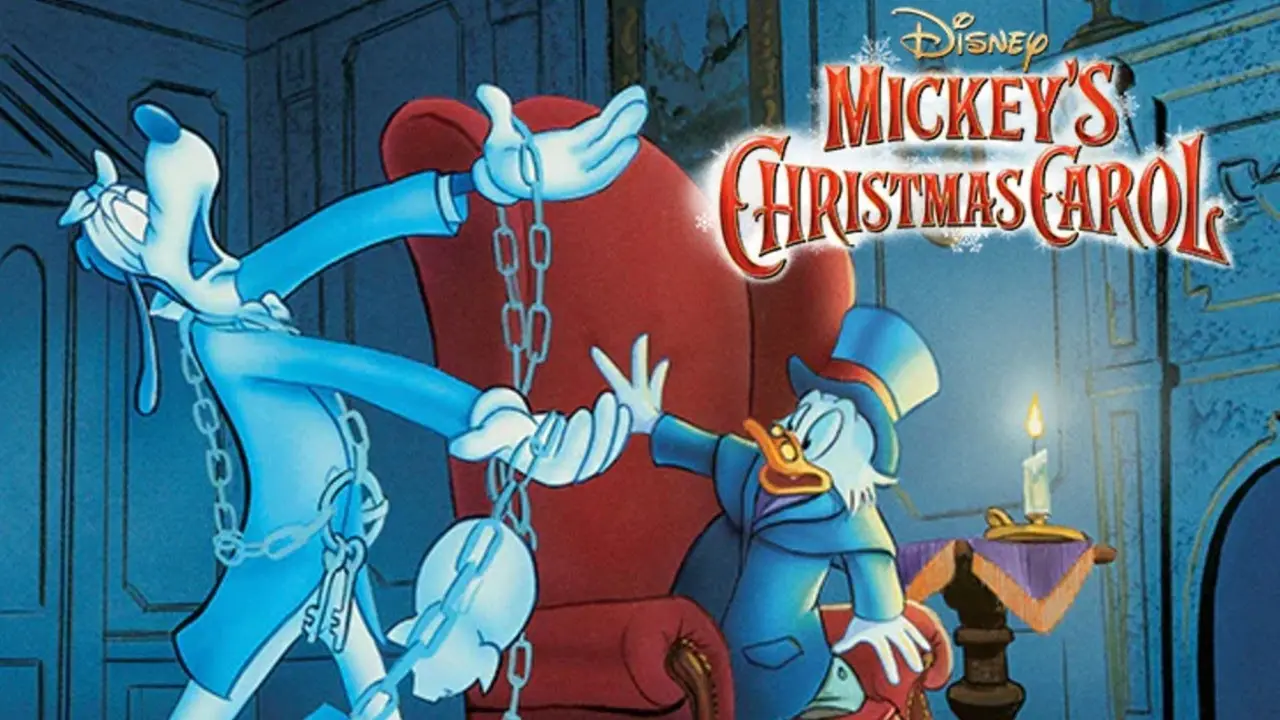
Mickey’s Christmas Carol | The Cult Disney Short That Still Inspires


Runtime
In December 1983, Buena Vista Distribution first released Mickey’s Christmas Carol, Walt Disney Productions‘ adaptation of Charles Dickens‘s 1843 novella A Christmas Carol. In Prose. Being a Ghost Story of Christmas. Meant to introduce the re-issue of The Rescuers, the short film received an Academy Award nomination for Best Animated Short Film the following year.
Burny Mattinson directed the film, which received positive reviews from audiences and critics alike, with a few exceptions. It has become one of the most beloved Christmas family classics and one of the best-remembered films in the Mickey Mouse series. It was included in several home releases, including 2001’s Mickey’s Magical Christmas: Snowed in at the House of Mouse.
- During a Cold and Spirited Night: Plot of Mickey’s Christmas Carol
- A Cult Animated Film Infused With Change: Disney in the 1980s
- A Christmas Classic for the Whole Family: Why Mickey’s Christmas Carol Endures
During a Cold and Spirited Night: Plot of Mickey’s Christmas Carol
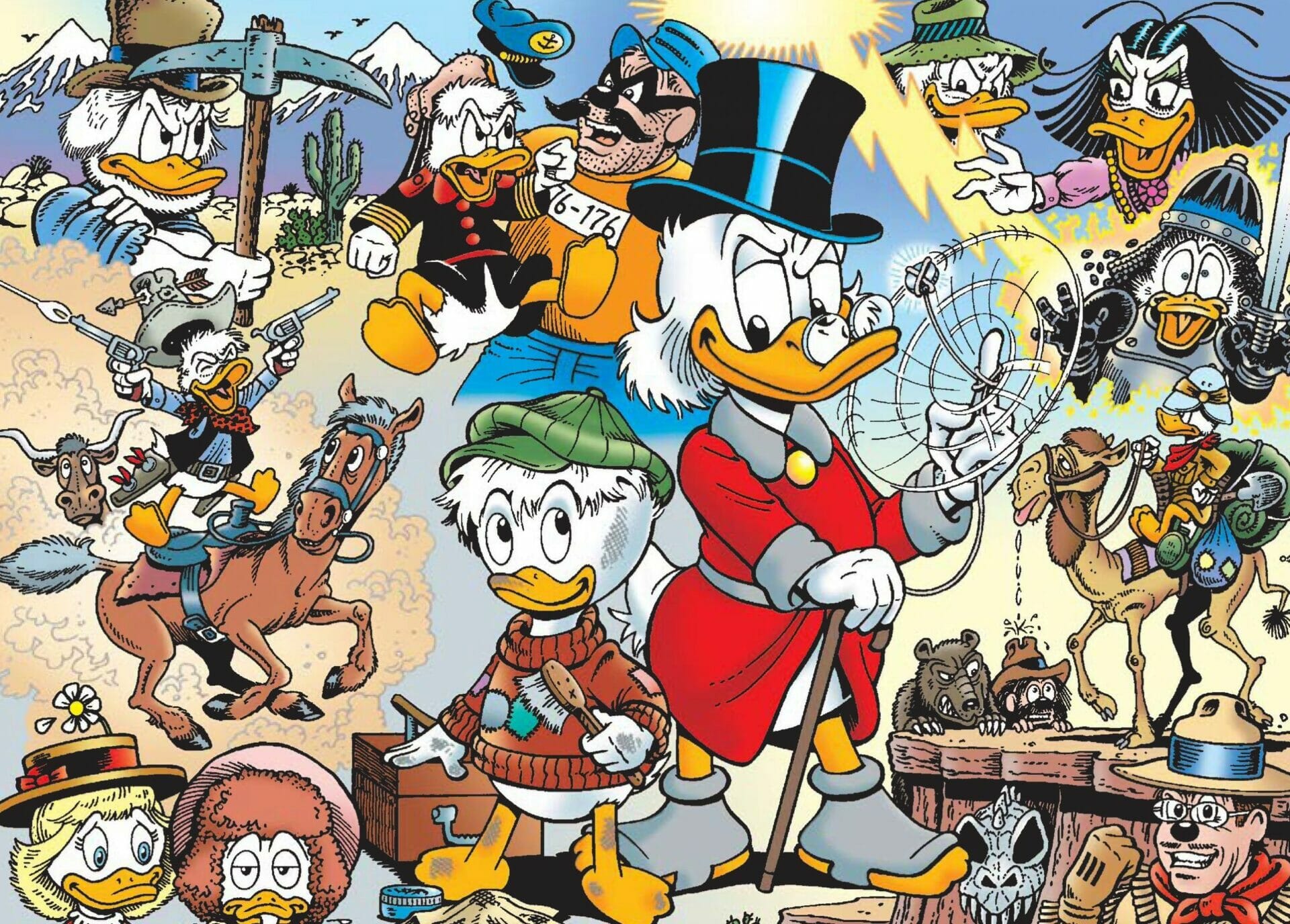
The evening before Christmas, Ebenezer Scrooge (who would later become the protagonist of his own series, Scrooge McDuck, voiced here by Alan Young) refuses to give coins to a panhandler outside his counting house. He also rejects the dinner invitation from his nephew, Fred (Donald Duck, voiced by Clarence Nash), and refuses to donate to a fundraiser for the poor. He only reluctantly allows his underpaid employee, Bob/Mickey Mouse (voiced by Wayne Allwine), to leave early without pay after repeated requests.
Later that night, three ghosts visit Scrooge in his cold, lonely house: Jiminy Cricket/Ghost of Christmas Past (Eddie Carroll), Willie the Giant/Ghost of Christmas Present, and Pete/Ghost of Christmas Future (both voiced by Will Ryan). Each one of these ghosts leads him to discover how his attachment to money has made him hated and alone. Most importantly, he learns about the effect his actions have had on the people around him. And the sad end that awaits him.
Mickey’s Christmas Carol remains faithful to Dickens’s tale, though it sacrifices some of Disney’s signature style. Although it belongs to the Mickey Mouse series, Mickey has less screen time than Scrooge McDuck. A choice justified by the resemblance (or even inspiration) between the old uncle and Dickens’s character. Conversely, Mickey Mouse best fits the role of poor Bob, whose big, expressive eyes are designed to convey emotions and emphasize feelings. The easygoing, ironic tone characteristic of Mickey Mouse’s narration gives way to a more accurate homage to the original story. Yet the film’s unique animated style and use of characters from across the Disney universe set it apart from other adaptations. However, Dickens’s bitter humor pervades the film, making it unique in Mickey Mouse’s history.
A Cult Animated Film Infused With Change: Disney in the 1980s
Before the release of Mickey’s Christmas Carol, the most famous mouse on screen had been away from it for thirty years. His last appearance was in 1953. Once the undisputed protagonist, he now had to share his fame with other beloved characters.
The 1980s were a time of change for the studios. It was a period when the old guard refined the work of brilliant new artists, preparing for their departure. It was also the era of some of their darkest films, such as The Fox and the Hound (1981) and The Black Cauldron (1985). These films are notable for their gloomy and bitter atmosphere, evident in both the drawing style and the storyline. Mickey’s Christmas Carol follows this trend, as well. A Victorian shadow covers the classic look, starting from the opening credits.

Veteran director and producer Burny Mattinson left his unmistakable mark on the film. He was convinced that any classic character had much greater potential than had not yet been expressed. So, he didn’t just care about the casting; he also made sure that the actors reflected the nature of both their own characters and the Dickens characters they portrayed. The animators enhanced the characters’ expressions while maintaining their classic gestures and tones of voice. Thus, Scrooge McDuck perfectly impersonates the original Scrooge, and Mickey Mouse naturally embodies Bob. Additionally, the film features countless characters from the entire Disney universe in minor roles or cameos, making it unique.
Despite its gloomy and unsettling atmosphere, Mickey’s Christmas Carol remains a family-friendly film. Children can easily identify the familiar characters, situations, and graphics and enter the story. Like classic fairy tales, the narrative scares only to instill moral lessons and ends on a hopeful note. From the very beginning, Disney strikes the perfect balance between revolution and tradition in the film.

A Christmas Classic for the Whole Family: Why Mickey’s Christmas Carol Endures
Since the beginning of the 20th century, this literary work has undergone countless adaptations, including theater pieces, musicals, and film and television productions. Among them, Mickey’s Christmas Carol stands out for its short length, at just 26 minutes. It is also probably the first specifically addressed to a family and child audience. The use of well-known characters helps the youngest audience members understand the different types of human nature Dickens portrays. Disney’s signature also guarantees that the film is suitable for children.
Dickens is renowned for his subtle humor in describing different kinds of meanness. Scrooge embodies everything a good leader and human being should not be. Yet his final redemption leaves the hope fitting for a Christmas tale, making the story an immortal cult classic. After the three ghosts visit Scrooge, he finally understands the values he should aspire to: mercy, compassion, and solidarity. Additionally, both Dickens and Disney successfully portray the poor living conditions of the working class during the Victorian era. Bob’s family embodies poverty and social injustice, as do the characters in Dickens’s Oliver Twist or James Joyce‘s The Dubliners.
Years after its release, Mickey’s Christmas Carol is widely considered one of the best adaptations of Dickens’s tale. As Roger Kimmel pointed out for Den of Geek in 2019:
It’s not exactly a faithful retelling – surprisingly, the issue of Scrooge’s mother and sister dying never comes up – but it’s a thoroughly enjoyable and warm festive offering nonetheless.
Robert Keeling, “A Christmas Carol: The Best and Worst Adaptations”
In conclusion, blending the author’s spirit with Disney’s unmistakable touch, Mickey’s Christmas Carol became an authentic Christmas classic. It doesn’t fear different audiences, reading levels, or the passage of time. It is a timeless film that every generation can enjoy year after year.
Tag