 Collections
  Magazine
  Exhibitions
  ITA version













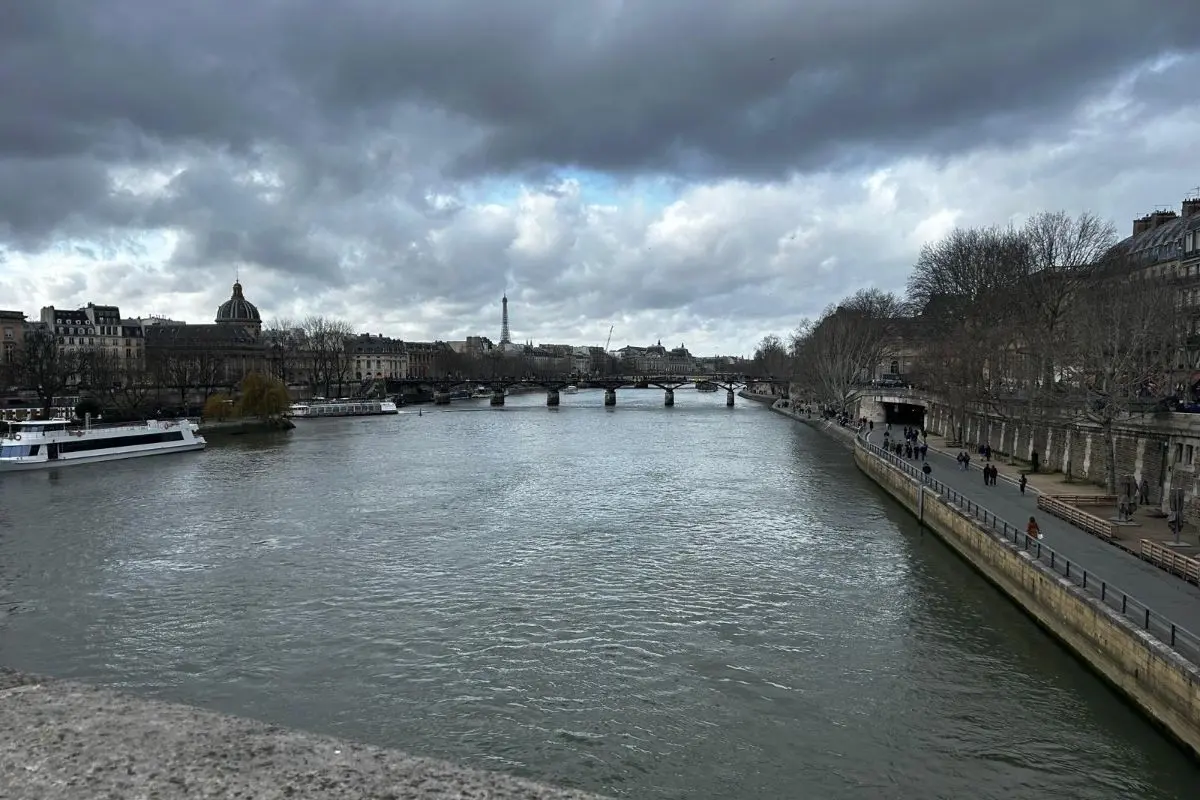
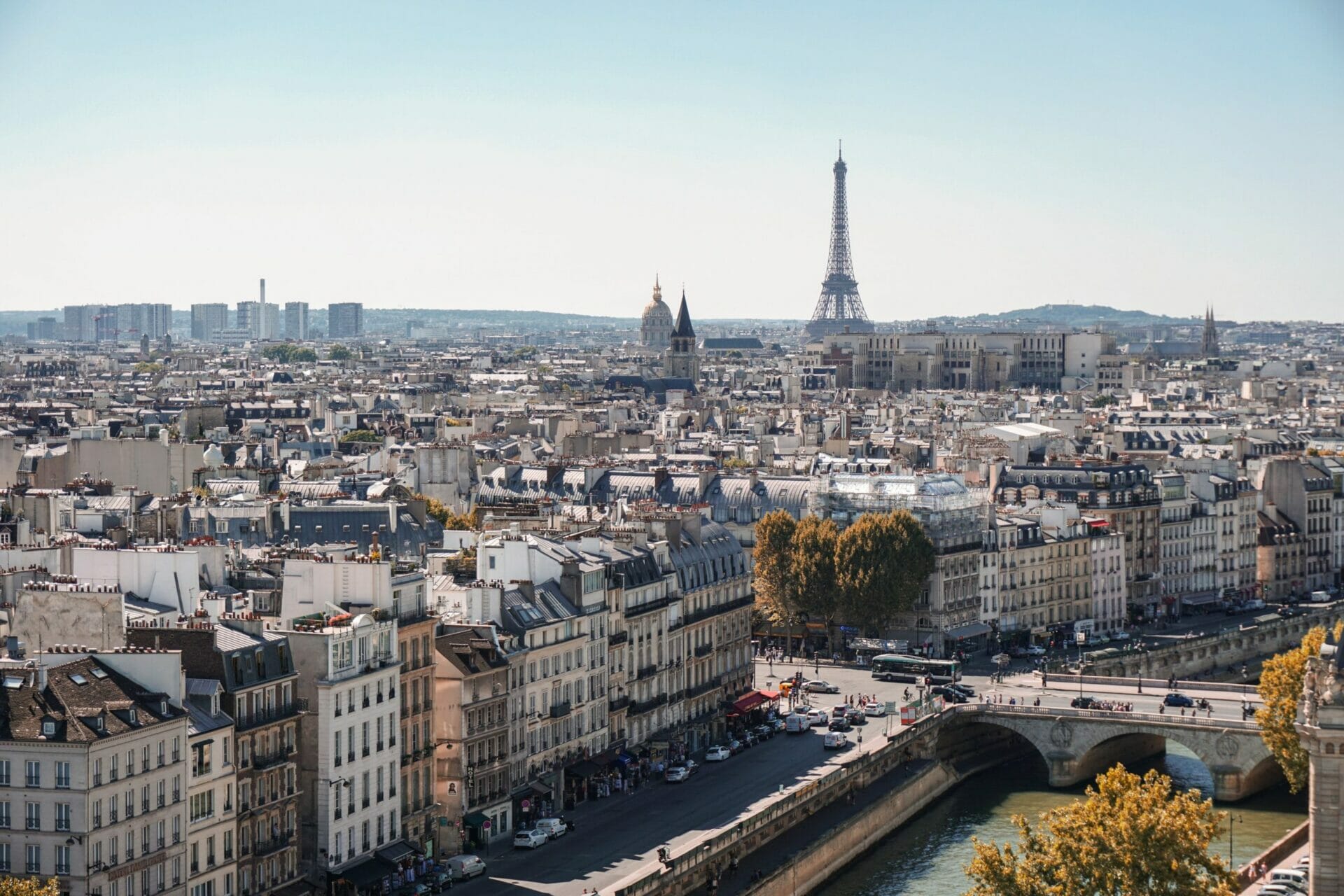
Paris remains one of Europe’s most coveted destinations. Yet it is also a metropolis that has undergone profound transformation in recent years, culminating in the 2024 Olympic Games. A city layered with history and competing identities, Paris can feel overwhelming – especially for visitors with limited time.
This is the first installment of the Hypercritic Guide to Paris: a curated itinerary designed to experience the city like a Parisian, blending must-see landmarks with more authentic, insider discoveries. The timeframe? Three days – ideally from Friday evening to Monday morning.
If you’re looking for an experience that combines culture, sweeping views, great food, and time to simply wander, read on.
The Museum You Shouldn’t Skip: Musée de l’Orangerie
Let’s address the obvious: both the Louvre and the Musée d’Orsay deserve at least a full day each. Rather than rushing them, we suggest saving those giants for a longer stay.
For a three-day visit, the ideal choice is the Musée de l’Orangerie. Nestled within the Tuileries Garden, directly opposite the Louvre, it can be explored in just a couple of hours – yet it houses masterpieces worth crossing continents for: Claude Monet’s Water Lilies.
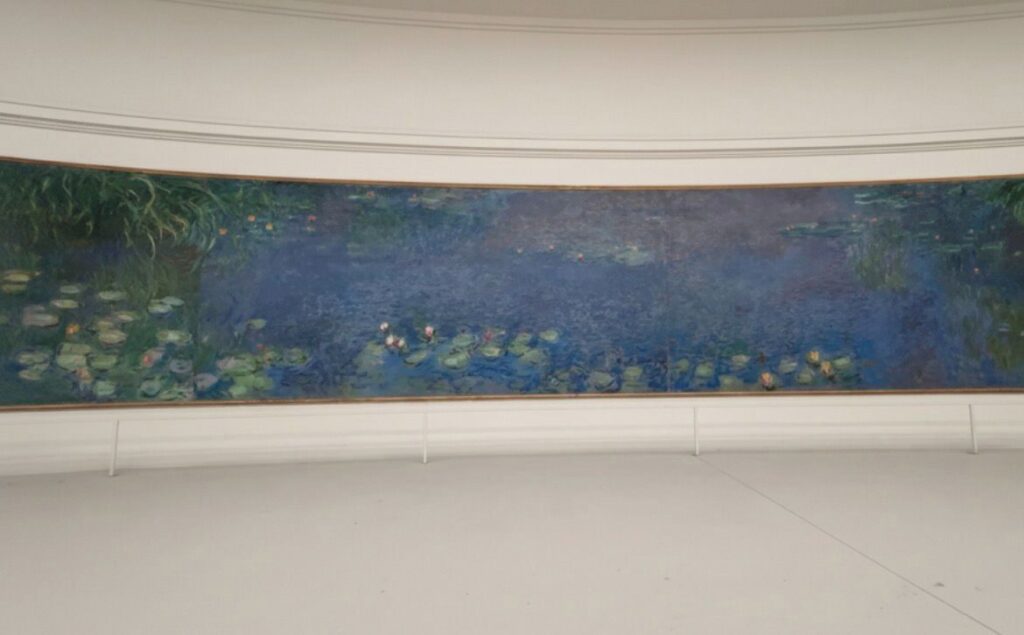
Often described as the “Sistine Chapel of Impressionism,” the eight monumental panels were among Monet’s final works. He devoted thirty years to studying this subject in plein air at his home in Giverny. Monet donated the series to the French state the day after the Armistice of November 11, 1918, as a symbol of peace. The museum’s oval rooms were designed specifically to host them, conceived as spaces for quiet contemplation.
The museum also houses the remarkable Paul Guillaume collection, featuring Renoir, Matisse, Cézanne, Picasso, Rousseau, Modigliani, and Soutine.
Practical information
Jardin des Tuileries, 75001 Paris
Metro: Concorde (Lines 1, 8, 12)
Open daily 9 am–6 pm (closed Tuesdays)
Advance booking recommended on the Museum’s website
The Grandeur of the Grand Palais
A short walk from the Orangerie, between the Champs-Élysées and the Eiffel Tower, stands the spectacular Grand Palais. Built for the 1900 Exposition Universelle, this architectural landmark – with its 9,000 square meters of glass and steel – is worth visiting for its structure alone, freshly restored.
The Grand Palais hosts major temporary exhibitions alongside permanent displays, and tickets are flexible depending on what you wish to see.
Metro: Champs-Élysées–Clemenceau (Lines 1, 13)
Open Tuesday to Saturday, late opening Friday
Where to Wander (and Where to Stay)
The essence of Paris reveals itself in the 1st through 7th arrondissements, with worthwhile detours to Canal Saint-Martin (10th) and Montmartre (18th). The best approach? Walk aimlessly, like a modern flâneur.
For accommodation, République and Bastille are strategic choices: well-connected by metro, easily accessible from airports, and high-speed rail stations.
Here are the essential stops.
Le Marais
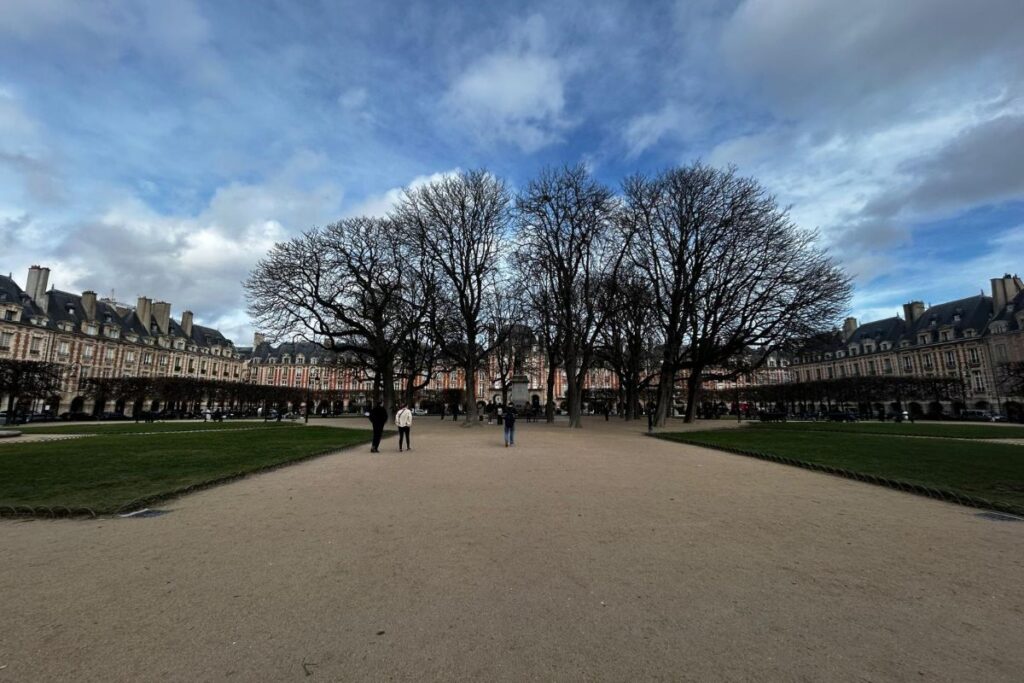
In Le Marais, Paris feels timeless. Historic pastry shops, design boutiques, concept stores and classic bistros line the narrow streets. Don’t miss Place des Vosges, its near-perfect square arcades framing manicured gardens where locals read, rest and escape the city’s rhythm.
59 Rivoli
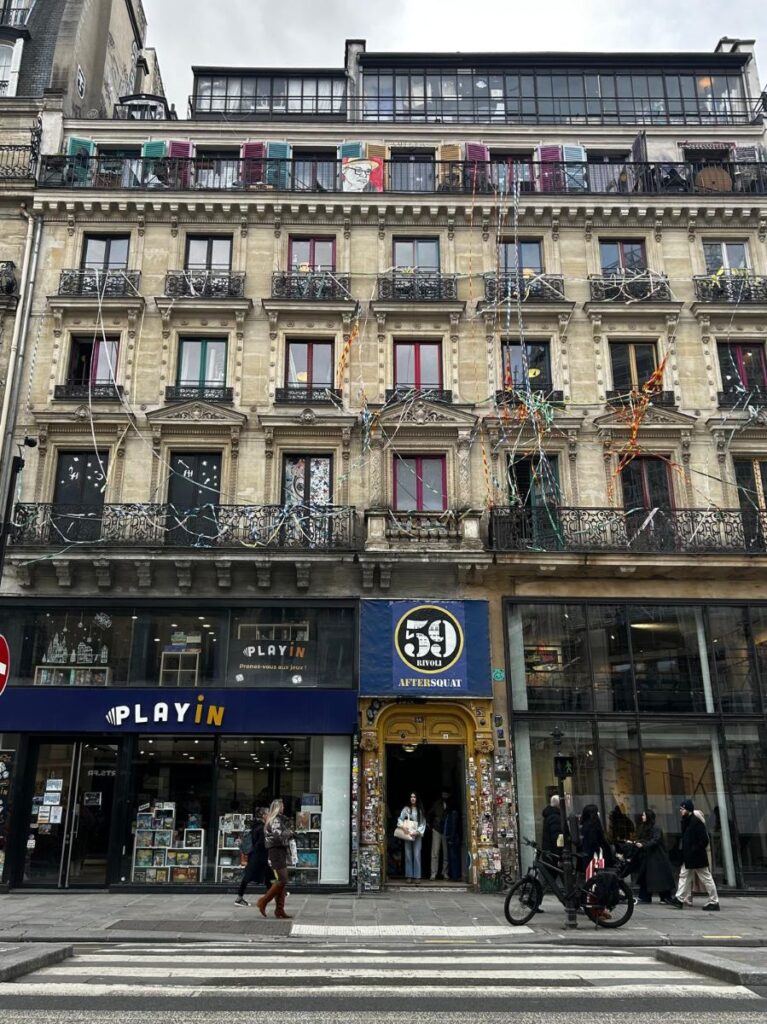
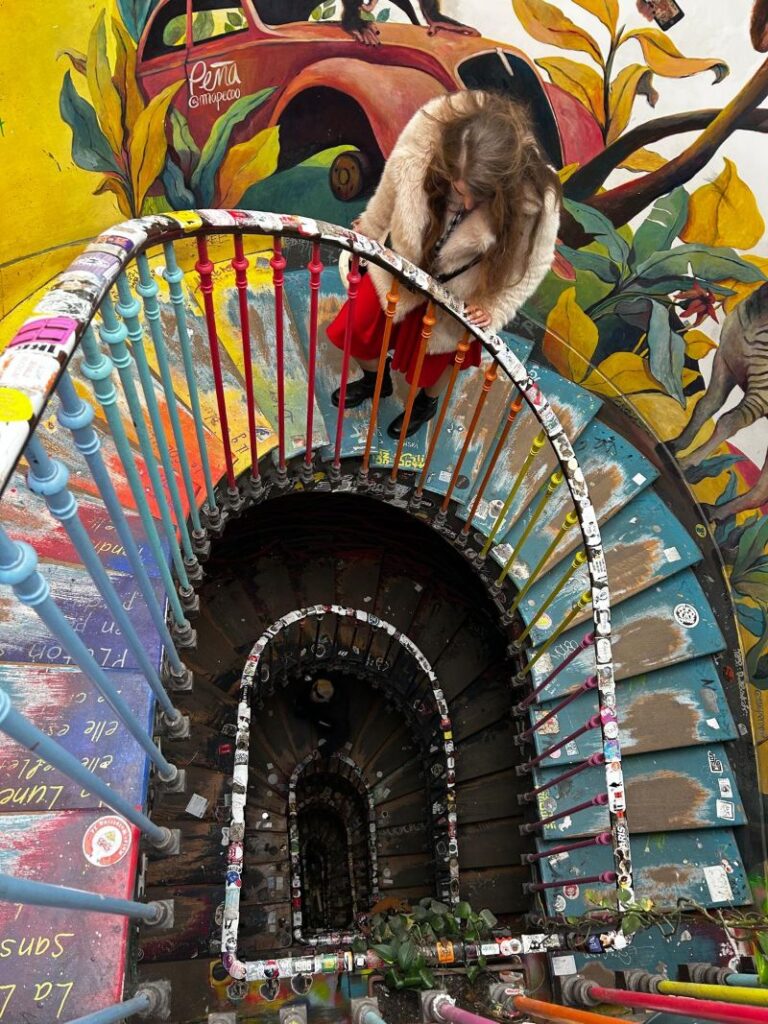
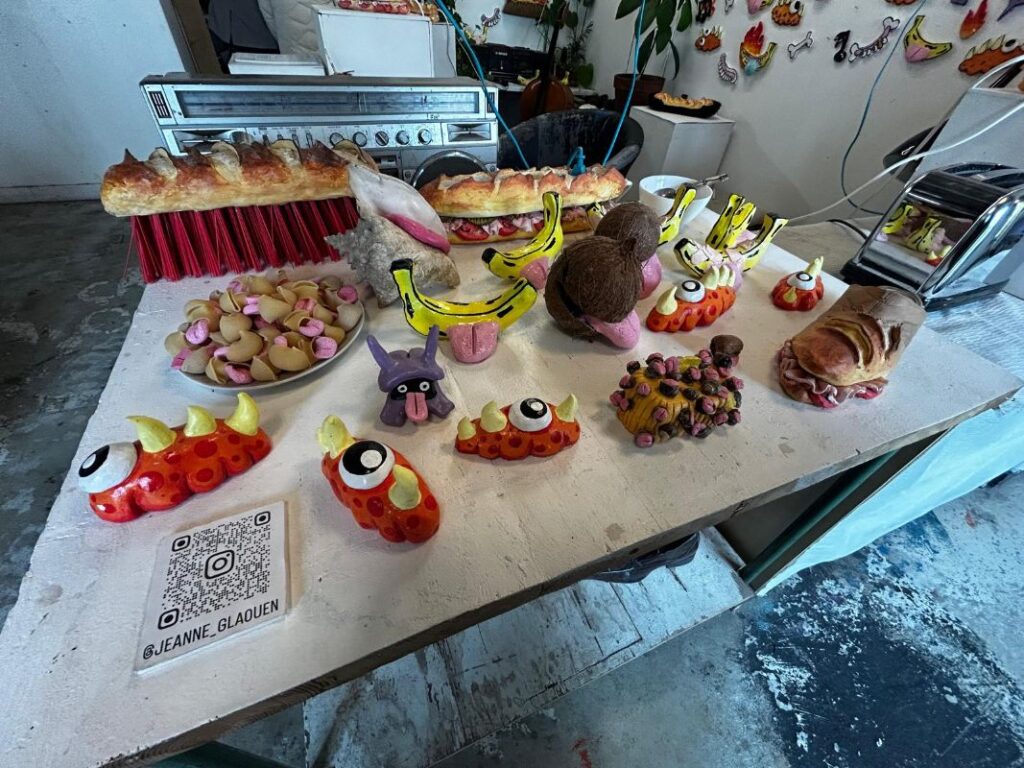
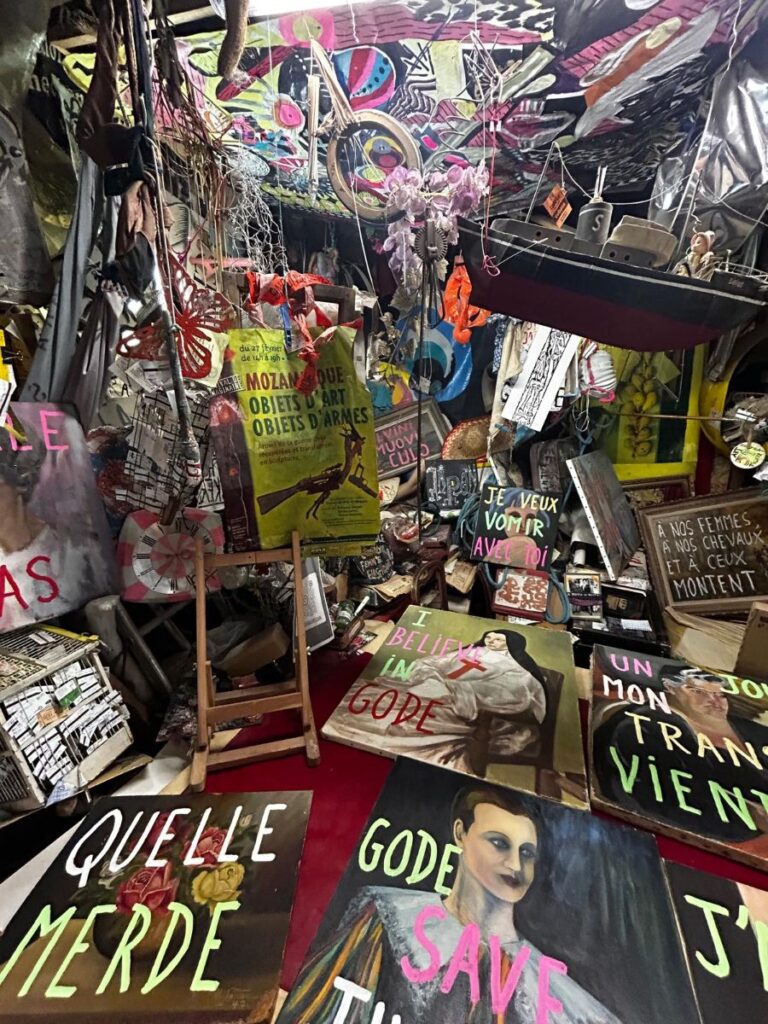
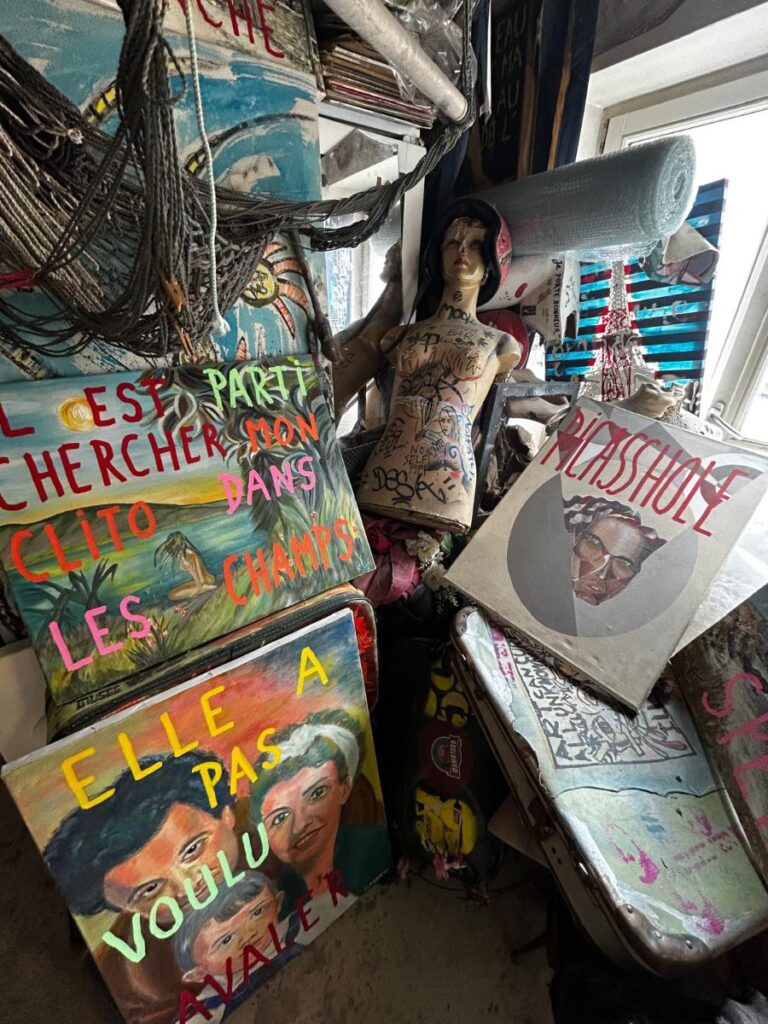
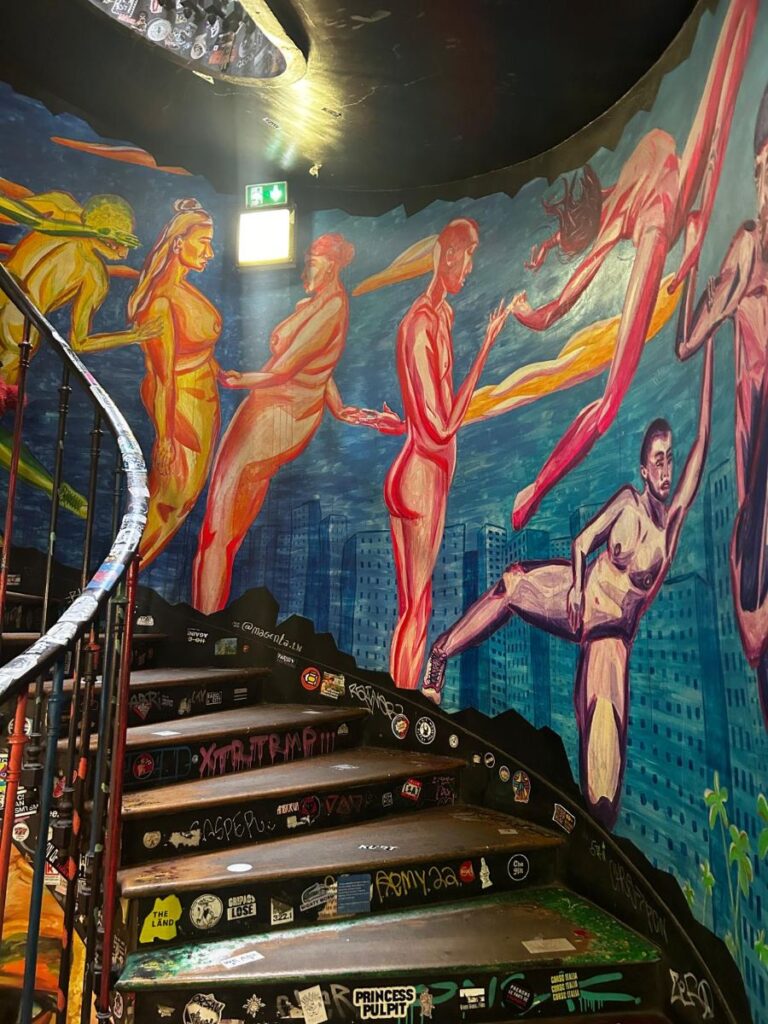
It’s heartening that a place like 59 Rivoli still exists in the heart of one of the world’s most exclusive capitals. This collective of around thirty contemporary artists occupies a six-story Haussmannian building that was squatted in the late 1990s and later legalized. Entry is free, photography is encouraged (with proper credit), and donations help sustain this vibrant creative hub.
Bibliothèque Richelieu
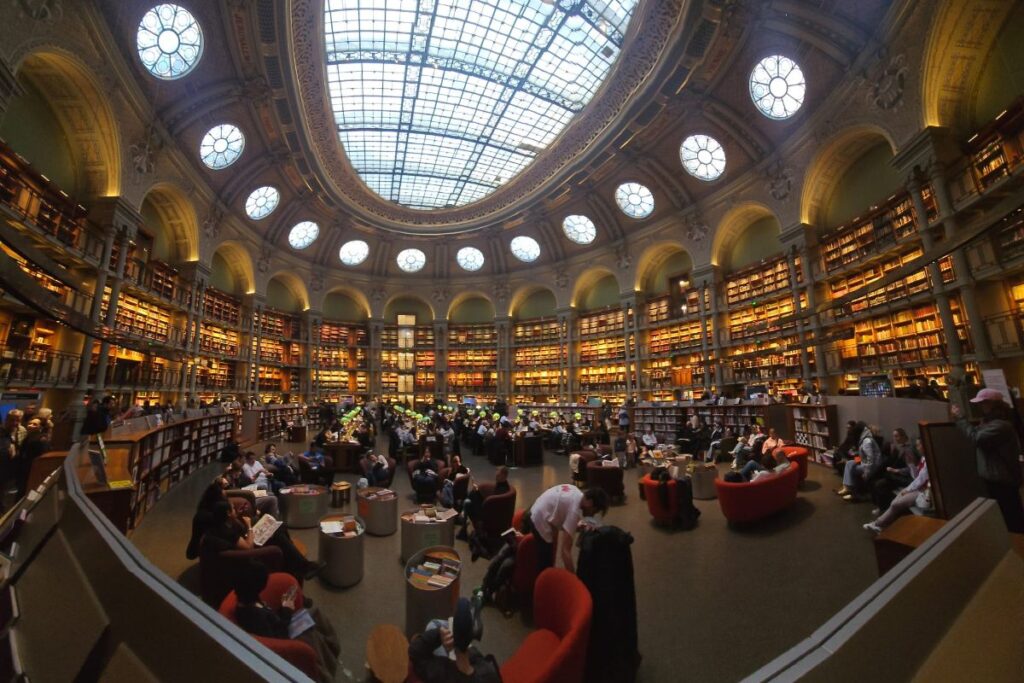
Few cultural institutions offer as much free access as the historic Bibliothèque Richelieu. Visitors can browse volumes, listen to recordings and explore the spectacular Oval Room, whose interactive displays reveal the hidden work behind conservation and archival practices.
In May 1968, archivists famously removed student protest posters from Parisian walls to preserve them – aware they were witnessing history. Those materials remain accessible to researchers today.
Covered Passages and Royal Gardens
To experience true Parisian flânerie, visit at least one of the city’s covered passages. Just opposite Bibliothèque Richelieu lies the elegant Galerie Vivienne, which leads toward the gardens of the Palais-Royal. From there, stroll to Place Vendôme and the Madeleine church.
Île de la Cité and Notre-Dame
Along the Seine’s car-free embankments – part of the green transformation championed by Mayor Anne Hidalgo – it’s a short walk to Île de la Cité and the reborn Notre-Dame de Paris, restored after the 2019 fire.
Rather than queuing for the main nave, consider booking access to the towers for sweeping city views.
Saint-Germain-des-Prés and the Panthéon
On the Left Bank, elegance reigns in Saint-Germain-des-Prés. A lunch stop at the historic Polidor recalls the era of Hemingway and Joyce. From there, continue to the Panthéon and the Gothic church of Saint-Étienne-du-Mont.
Montmartre
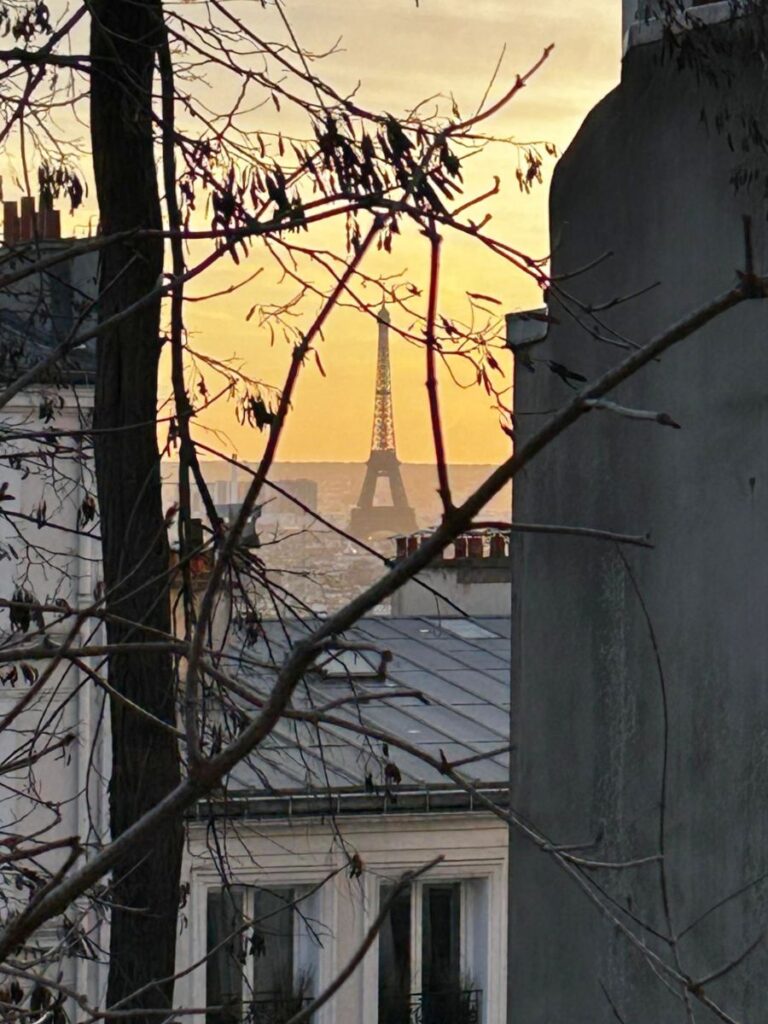
Touristy, yes – but still magical. In Montmartre, fragments of bohemian Paris survive. Enjoy a glass of wine at Lou Pitchoun or dinner at Bouillon Pigalle. From the hilltop terrace near the funicular, sunsets stretch across Parisian rooftops all the way to the Eiffel Tower.
Free Time: Markets, Contemporary Art, and Jazz
Weekends in Paris unfold at a slower pace. Locals fill parks, jog along the Seine and linger at café terraces. On Sunday mornings, Place de la République hosts an antiques market where vintage fashion and unusual souvenirs abound.
For live music, 38Riv offers high-quality jazz concerts in an intimate vaulted cellar beneath Rue de Rivoli – a hidden gem worth seeking out.
Getting Around and Budget
Paris is not inexpensive. Expect €30–40 per person for meals, around €120 for a double hotel room and roughly €15 for breakfast in a café.
To save:
– Travel off-season
– Choose cafés offering fixed lunch or breakfast menus
– Dine at traditional bouillons
– Ask for une carafe d’eau instead of bottled water
For transport, the Navigo pass remains the most convenient option. A three-day travel card includes airport transfers; a weekly pass (if your stay falls within a single Monday–Sunday period) offers significant savings. The pass can be loaded directly onto your smartphone via the Île-de-France Mobilités app.
Paris in 36 Hours: A Suggested Schedule
Friday evening
Check-in near République or Bastille
Drinks along Canal Saint-Martin
Saturday
Morning in Le Marais and Rue de Rivoli
Visit 59 Rivoli
Île de la Cité and Notre-Dame towers (with reservation)
Lunch in Saint-Germain-des-Prés
Panthéon
Afternoon at Bibliothèque Richelieu, Galerie Vivienne, Palais-Royal
Dinner in Le Marais
Evening metro ride on Line 6 for Eiffel Tower views
Sunday
Antiques market at République
Musée de l’Orangerie
Grand Palais
Afternoon in Montmartre
Dinner in Pigalle and late jazz on Rue de Rivoli
Monday
Breakfast in Le Marais
Departure
Paris rewards both intention and spontaneity. In just 36 hours, it is possible to weave together iconic monuments and lesser-known corners – not as a tourist racing through a checklist, but as a temporary Parisian, attentive to beauty in both grandeur and detail.