 Collections
  Magazine
  Exhibitions
  ITA version














Enter the Dragon | Bruce Lee and the Birth of Modern Martial Arts Pop Culture


Runtime
Of all Bruce Lee‘s films, the 1973 martial arts cult classic Enter the Dragon is arguably the most famous and influential. After a series of successful Hong Kong action films showcasing his fighting skills, including The Big Boss (1971), Fist of Fury (1972), and The Way of the Dragon (1972), Lee collaborated with American director Robert Clouse. The result was a genre-defining film that blended the scenic physicality typical of Hong Kong productions with a suspenseful, James Bond–esque approach to storytelling. If you have seen films, anime, or video games that pit good vs. evil in the context of a martial arts tournament, then Enter the Dragon is responsible. However, it’s not just about the action. With Enter the Dragon, Lee took the first step in bridging the gap between Western and Eastern cinema and pop culture.

- Enter the Dragon: Plot, Characters, and the Martial Arts Tournament Setup
- Martial Arts Cinema and Action Choreography in Enter the Dragon
- The Cultural Legacy of Enter the Dragon in Pop Culture
- Bruce Lee and the East–West Cultural Bridge
Enter the Dragon: Plot, Characters, and the Martial Arts Tournament Setup
A British intelligence agent recruits martial arts expert Lee (Bruce Lee) in Hong Kong and asks him to embark on an undercover mission. Lee agrees to investigate crime lord Han (Shih Kien), whose bodyguard, O’Hara (Robert Wall), killed Lee’s sister. The plan is simple. Lee will participate in the martial arts tournament that Han holds on his private island. The island is just outside the Secret Service’s jurisdiction, and firearms are not allowed there. En route to the island, Lee meets Roper (John Saxon) and Williams (Jim Kelly), two other competitors who agree to help him with his investigation. Through sensational fights and nighttime infiltration, Lee uncovers Han’s trafficking operation. It all culminates in a deadly one-on-one encounter in a secret room full of mirrors.

Martial Arts Cinema and Action Choreography in Enter the Dragon
Produced by Warner Bros. and Bruce Lee’s Concord Productions and written by Michael Allin and Lee himself (though Lee is uncredited), Enter the Dragon embodies the spirit of martial arts films. This is also thanks to cinematographer Gil Hubbs‘s work. The large, populated exterior sets and suggestive interiors are framed with anamorphic lenses. Hubbs doesn’t shy away from capturing the spectacular fight scenes or zooming in for extreme close-ups during moments of adrenaline or anticipation. Sometimes the camera is at the very center of the action, as in the swift POV shot from behind Han’s claw-hand during the final battle.
Every element of the film, from the plot to the editing, serves the action. The action focuses on the human body, its muscles, movement, and choreography. It is a visual celebration of the human body. The fighting in Enter the Dragon is not just an entertaining element that punctuates the story. Rather, it is the story itself. It’s similar to films in the John Wick series, which pay homage to Clouse’s mirror room scene in the second chapter. Moreover, Lee’s martial arts spectacle, though different from its real-life, efficiency-based counterpart, demonstrates his work outside of cinema: Jeet Kune Do. The opening duel, in particular, is a precursor to the mixed martial arts that are famous today. The shorts, fingerless gloves, and combination of striking and grappling resemble the fighting sports of the 21st century.
The Cultural Legacy of Enter the Dragon in Pop Culture
With its astonishing economic success, Enter the Dragon conquered both the East and the West. Many consider it to be the greatest martial arts film ever made—a champion of a genre that declined in popularity after the ’80s. Another reason for the film’s fame is the tragic death of its star. Enter the Dragon premiered shortly after Bruce Lee’s death, becoming his final completed film. Thanks to existing footage and other tricks of the trade, Lee continued to star in several further productions, including the popular Game of Death (1978).
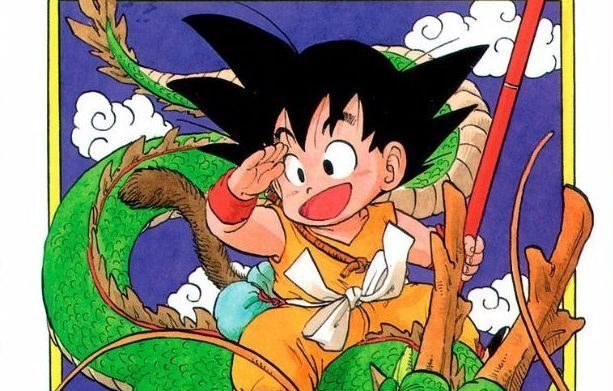
The martial arts tournament quickly became a staple of action-based fiction. Many well-known franchises and stories wouldn’t be the same without Enter the Dragon‘s influence, from the Tenkaichi Tournament in Dragon Ball to Mortal Kombat and the world of fighting video games. Similarly, Bruce Lee became an icon of ’70s cinema and a symbol of the collaboration between Hollywood and Hong Kong through his work with Warner Bros. and Golden Harvest. His yellow-and-black Game of Death outfit, gestures, and voice have inspired countless characters. Quentin Tarantino famously incorporated the outfit into his character, The Bride, in Kill Bill (2003) and featured Lee as a historical character in Once Upon a Time…in Hollywood (2019).
Perhaps more importantly, Bruce Lee paved the way for many other Asian actors. If it weren’t for his premature death, he might have sped things up even more. At a time when the only Asian characters on American screens were killed in the background of the Vietnam or Korean wars, Bruce Lee’s popularity was unprecedented. His success paved the way for the inclusivity that makes films like Everything Everywhere All at Once (2022) possible today. Of course, it was a gradual change built upon many steps over the decades.
Bruce Lee and the East–West Cultural Bridge
It is challenging to quantify the actual influence of Enter the Dragon on today’s culture. What is clear is that the collaboration between Hollywood and Hong Kong produced a blend of tradition and pop culture that resonated with people everywhere. This collaboration likely increased the popularity of actors such as Chuck Norris, Jackie Chan, and, more recently, Donnie Yen. Although we now have countless action films, and anime choreography is more ambitious than ever, it’s enjoyable to revisit the tournament that introduced martial arts to a mass audience in Robert Clouse’s film.
The film’s influence outside the genre is easier to miss: the slow inclusion of Asian actors and stars, and the popularization of Jeet Kune Do. This influence can be seen throughout today’s pop culture, which blends Western and Eastern influences and philosophies. For a low-budget rip-off of a James Bond movie, Enter the Dragon certainly hit hard and efficiently.
Tag