 Collections
  Magazine
  Exhibitions
  ITA version













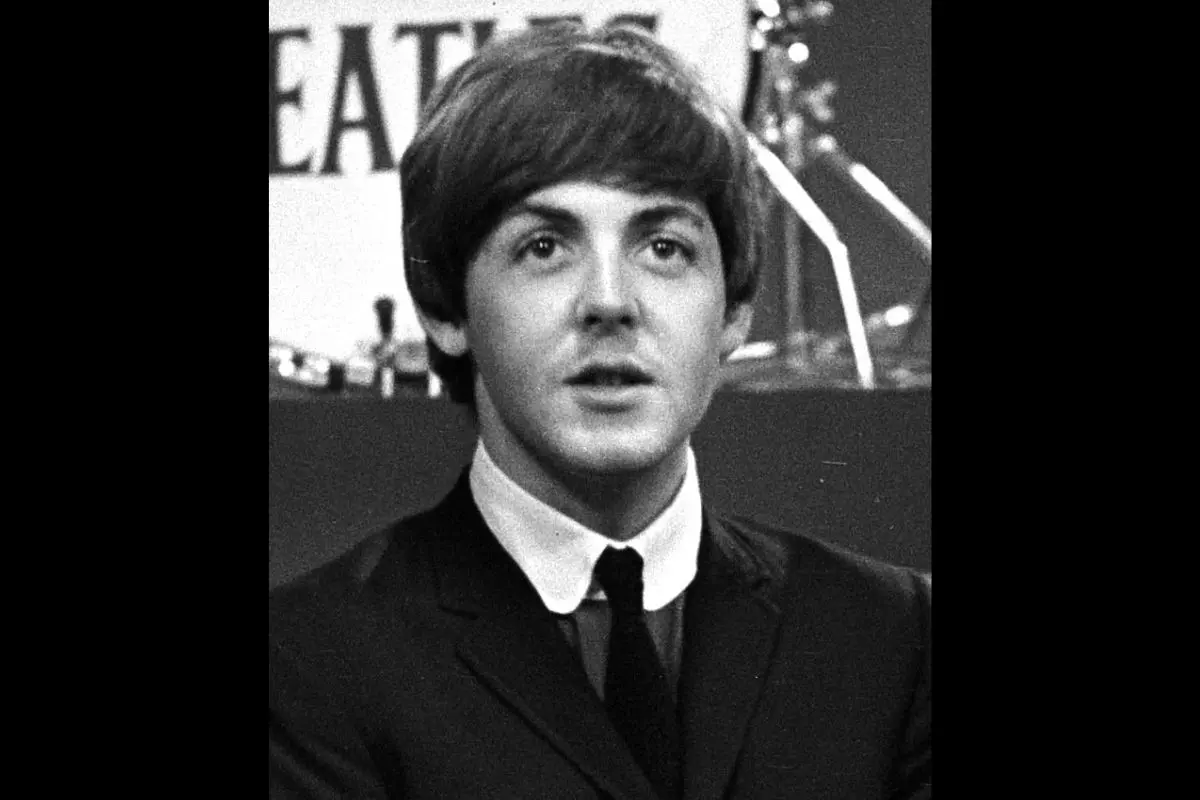
An entire night spent talking about their favorite foods in the hotel room of a friend of Paul McCartney. It was 1963, and the Beatles had just finished their concert at the legendary Royal Albert Hall in London. Jane Asher, a 17-year-old model at the time, was backstage for a photo shoot. Between rehearsal sessions, coming and going from the stage with photographers, cameras rolling, and musicians, Paul noticed Jane. After their respective commitments, the entourages of the two created an opportunity to meet, marking the beginning of a magical story. A year and a half later, Asher was of age, and a love story was born that inspired many of the songs written and performed by the baronet of Liverpool with the Beatles.

In several interviews, McCartney said that he immediately realized Jane was “the one.” In the 1960s, the Beatles were already a myth; the couple’s social life was difficult, as photographers and journalists constantly chased them. Paul decided to move into the model’s house. In Asher’s attic, at 57 Wimploe Street in London, in the middle of the night, in a dream, the conversations between the two about favorite foods resurfaced from the past. A melody materialized, McCartney woke up with a start, went to the piano, and tried those notes. It seemed to him he had already heard it. He couldn’t remember who had composed that music. Those notes were the beginning of Yesterday, the iconic song of the former Beatle.

Scrambled Eggs becomes Yesterday: the story
It all started with a dream, a melody that Paul McCartney had in his head. The words were missing, so he decided to add them randomly, thinking precisely of the favorite foods he had discussed with his partner, Jane Asher. Yesterday could have been called Scrambled Eggs. Obviously, the songwriter wasn’t convinced, nor was the rest of the band, who repeatedly rejected the artist’s proposals. “It was a hot and dusty trip”, McCartney later recounted, speaking about the genesis of that song, which became legendary.

What does John Lennon have to do with it
The project was Paul’s alone, even though John Lennon appears in the credits. In reality, the British artist, who shared songwriting duties with his friend McCartney for the Beatles, only gave him one piece of advice: to use a single word for the song’s title. In 2017, McCartney revealed to the BBC how the two friends often composed the band’s songs by sitting across from each other. Lennon, in that case, limited himself to that suggestion.
The turning point occurred during a holiday trip the couple took in 1965. While Jane was sleeping, Paul was driving along the hills of Portugal. A trip spent thinking and rethinking about the melody, searching for the words of that musical effort that seemed endless. Suddenly, the light. The couple was a guest in the villa of a musician friend of Paul. McCartney was convinced he had found the right key. He called his friend to ask if he had a guitar at home. When he arrived, he began to play: two weeks later, Yesterday was finally ready. The Beatles’ label refused to produce it as a single. The American Capital Records, however, did not miss the chance: on September 13, 1965 Yesterday hit the market. It arrived in the mid-sixties, romantic and refined. The song was an immediate success, quickly climbing the world charts and making history.
Who Yesterday is dedicated to
John, Ringo, and George were not convinced that Yesterday would be successful. Lennon often expressed doubts about the lyrics. Only shortly before he was brutally assassinated—an incredible twist of timing—he said: “It’s the best thing Paul has ever done.”
“Short verses, they might work. But the lyrics say nothing. They make no sense.” A total dismissal. That’s how Lennon initially judged his friend Paul’s work. A song different from what the band was producing at the time. In fact, McCartney performed the piece alone. It took several months of internal struggles to lift the veto on the song and allow the baronet of Liverpool to perform it during the Fab Four’s concerts.
Although it was conceived in a dream, during McCartney’s relationship with Jane Asher, the song was not dedicated to the British artist’s former partner. McCartney has often recounted how the piece was written with his mother in mind, especially after her death. It was a deep wound for the artist, who was only 14 at the time. She passed away on October 31, 1956.

Yesterday has over 3,000 covers: McCartney reveals his favorites
It is the most covered song in the world. There are more than 3,000 official versions. But there’s more: there are also tributes—never published—by some of the great names in global music. Among them is said to be Bob Dylan, who changed his mind several times about the song’s value. MTV named it the best pop song of the 20th century. Critics praised its brilliance; the thousands of covers confirm that Yesterday is a memorable piece.
During a recent episode of The Late Show, the historic CBS television program, Paul McCartney revealed which covers of his song he prefers. The cue was a question from Stephen Colbert, who was interviewing him about The Beatles, the film made about the story of the Fab Four.
Paul laid down a four-of-a-kind of choices on which there is nothing to object.
Yesterday covers: from Elvis to Ray Charles
When he mentioned Elvis in the studio, McCartney almost imitated him—a rather amusing moment. Then he got serious and explained which versions he likes best: “The best are Frank Sinatra’s in 1969, Elvis’s also in ’69, Ray Charles’s in 1967, and Marvin Gaye’s in 1970.”

Sinatra included Yesterday in his album My Way. A collection of famous songs reinterpreted in his unmistakable style. The bond between the American artist and the Beatles was always powerful, and vice versa. During live shows, in his classic, elegant black tuxedo, he would often say, “I really love this song.”

The same goes for Elvis Presley, another great admirer of the Fab Four. He sang Yesterday for the first time during a live performance in Las Vegas. Just as with Hey Jude, it became common to hear Elvis pay tribute to the boys from Liverpool.

And then there’s Ray Charles: it’s worth listening to his version—piano and gritty voice—during a live show in Australia in 1988. The King of Soul transformed the ballad into a special occasion, bringing together two worlds that seemed opposites and adding his own unique touch, involving the entire band that accompanied him. A magical mix: soul, blues, and pop music together.

Finally, and McCartney’s absolute favorite, is Marvin Gaye’s cover. The R&B legend was determined to reinterpret it in a new style: “I want to perfect the music. There must be other notes somewhere on the piano.” That’s what he said when speaking about Yesterday.

In 1970, Marvin Gaye’s version of Yesterday was released. It was included in his tenth studio album, That’s the Way Love Is. The American artist turned a pop ballad into an R&B piece. A whole new level. His soulful voice strikes from the very first listen. Musically, he added bass, strings, and synths that brought the track closer to the feeling of Rhythm and Blues, with rhythmic foundations typical of African American popular music. The magic happened once again.