 Collections
  Magazine
  Exhibitions
  ITA version













The Legend of Zelda: Ocarina of Time | Why Its Legacy Goes Beyond Nostalgia

Art Director
Lead Composer
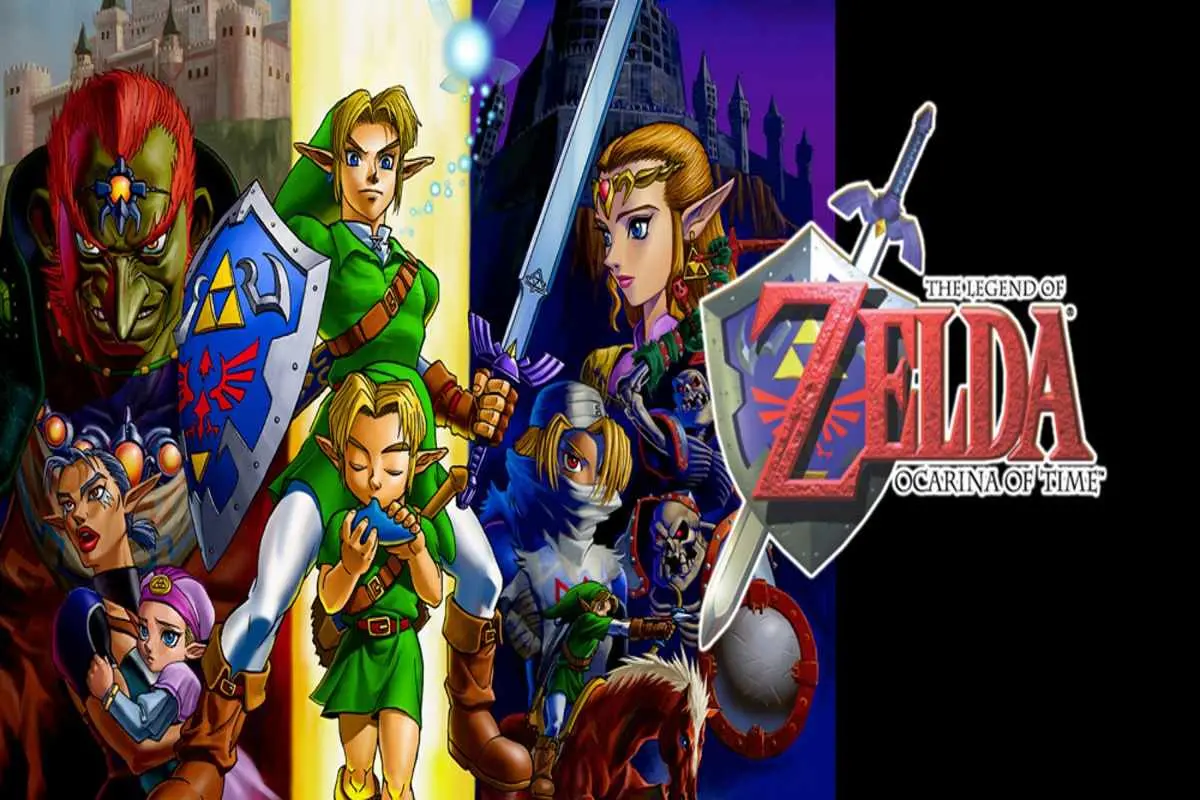
The Legend of Zelda: Ocarina of Time is widely regarded as one of the best video games of all time. Some attribute its popularity to nostalgia, as it was a title many played as children. However, there is more innovation to it than what meets the eye. Debuting in 1998 on the Nintendo 64, Ocarina of Time is the fifth entry in the series and the first one to transition to 3D.

Ocarina of Time‘s Story and the Role of Music
In the forest depths lies a village inhabited only by children, who live in eternal youth alongside their fairy companions. All but one. Link is the only boy without a fairy until the day the Great Deku Tree summons him for a mission of great importance. The King of Thieves, Ganondorf, has cast a death curse on the tree, an evil that is now spreading throughout the kingdom of Hyrule. The sole way of stopping him is to gather the three stones that compose the Triforce, a sacred artifact that can grant any wish. With his fairy companion Navi, Link must embark on a quest to prevent the omens of a dark future from becoming a reality.
The titular ocarina is a key instrument in the adventure and can be played by pressing the N64 controller’s buttons. It represented a novel experience, especially outside the rhythm game genre. Throughout the adventure, Link learns up to 13 melodies from various characters, each with different uses. Puzzle solving, fast traveling, changing the weather, and so much more. Music thus becomes one of the game’s defining features, both in gameplay and in audio storytelling, thanks to Koji Kondo’s memorable soundtrack.
How Ocarina of Time Revolutionized 3D Adventure Games
Ever since its earliest stages of development in 1994, Ocarina of Time faced a significant challenge. Despite Nintendo having already released successful 3D titles – such as Star Fox 64 and Super Mario 64 -, those were platformers. Translating a top-down adventure into 3D meant creating completely new systems and mechanics. A feat that required a team of over 100 developers, resulting in a gaming experience like never before. From the opening credits, featuring Link riding his horse Epona through the fields, one can get a glimpse of the adventure to come. An open world to explore, which feels even more immersive thanks to its cinematic cut-scenes. Ocarina of Time was especially successful in introducing these changes to the audience. It does so from the Kokiri Forest, the starting point of Link’s journey.
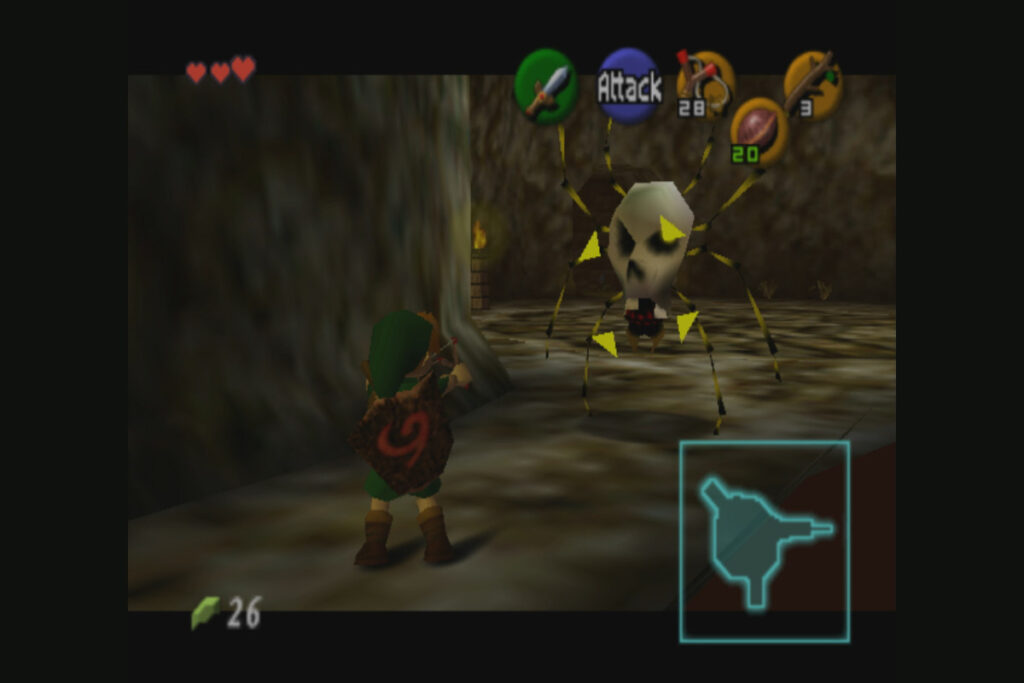
In this safe area, the player can practice the controls and familiarise themselves with the world before jumping into the adventure. And once equipped with a sword and shield, Link is ready to face the dungeon inside the Deku Tree. Dungeons are a core element of The Legend of Zelda franchise, and this first one introduces them well. It shows how to approach environmental puzzles, using fire and switches. But also how to fight enemies, such as skulltulas and deku scrubs, by exploiting their weak points. Here is where a new game mechanic debuts: Z-targeting. It allows the camera to lock on an enemy, directing all attacks automatically against it. A clever solution that makes 3D combat much smoother, and that is still present in action-adventure games like The Witcher.
Why Hyrule Felt Alive in Ocarina of Time
Once left behind the forest and reached the Hyrule Fields, the vastness of the game begins to set in. However, the number of possibilities in an open world can be overwhelming and disorient the player. An issue that even following titles like Horizon Zero Dawn and Assassin’s Creed Odyssey have faced.
Ocarina of Time counterbalances it by not making everything accessible from the start. Rather, the various playable areas reveal themselves as the story progresses. At the same time, it avoids boredom and repetition thanks to the additional content. From side quests to mini-games, NPCs to interact with, and collectibles to gather, there is always more to uncover.
In fact, Ocarina of Time expanded the established world of Hyrule in terms of size and lore. It introduces new races – the Gerudo of the desert and the Goron of the mountains, the Shika tribe, and the aquatic Zora – each with their own culture and region. Throughout his journey, Link will visit bustling markets, meet princesses, and tribe leaders. Alongside him, the player becomes acquainted with the many people of this land and its secrets, contributing to the immersion. Thanks to all these elements, Ocarina of time managed to bring a beloved franchise to life in a new dimension.
How Ocarina of Time Became a Coming-of-Age Story
The flow of time is always cruel. Its speed seems different for each person, but no one can change it. A thing that does not change with time is a memory of younger days.
– Sheik
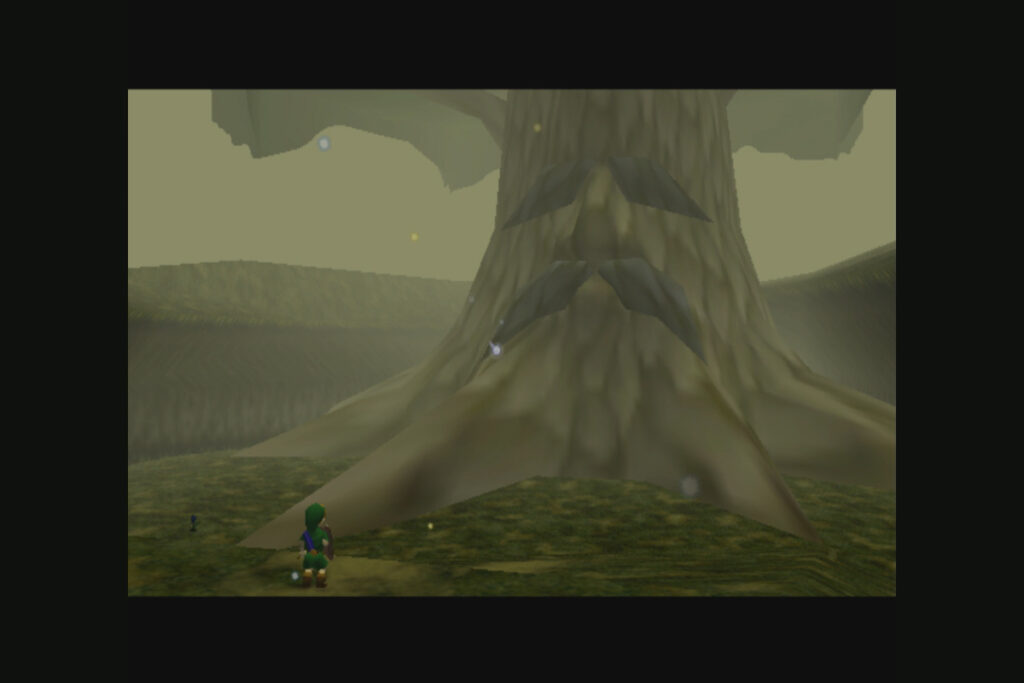
After recovering the spiritual stones and playing the Song of Time, Link gains access to the legendary Master Sword. Too young to wield it, his spirit is sealed by the weapon, only to wake seven years into the future. The time skip reveals a once-familiar world now distorted by Ganondorf’s influence. The Kokiri forest is full of monsters, the Zora’s domain is frozen over, and darkness reigns. Said change of narrative tone – and increase in difficulty – serves to convey the loss of childhood. Ocarina of Time is a coming-of-age story, a unique example compared to other storylines of the franchise. It showcases the responsibility of adulthood as well as the changes that the inevitable passage of time brings. A theme that resonates with any audience, no matter the age, has been foreshadowed since the death of the Great Deku Tree.
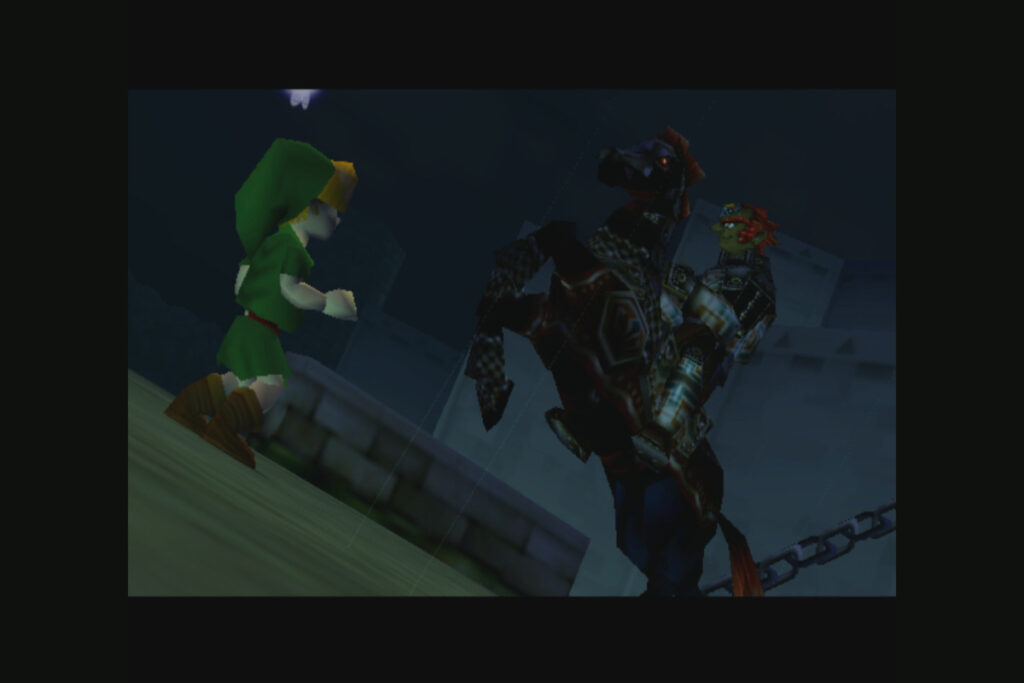
Through this perspective, Link’s character is explored like never before. Evolving from an ostracized boy yearning for adventure into an adult who carries the destiny of his world. As a result, the antagonist is more fleshed out as well, taking on a human form rather than a monstrous one like in Breath of the Wild. Ganondorf is all that Link is not, a perfect opposite. A cunning man who wants to conquer the world, against a naive boy with a destiny too great to be bestowed upon him. An unfair match from the start, which only feels more hopeless after the time skip. Though by the end of his journey, Link will mature into the fabled Hero of Time. And by wielding the evil-destroying weapon, he will defeat the dark side of adulthood that is Ganondorf.
Ocarina of Time Nintendo Remake and film adaptation
The world of modern media is ever-growing, but video games evolve especially quickly. Each year brings innovations, new techniques, and new releases. In turn, old titles tend to get obsolete even more quickly. Many players were first introduced to The Legend of Zelda franchise during their childhood, which makes the series a fan favorite. And while that tends to influence how older games are regarded, the reason Ocarina of Time is so beloved lies beyond mere nostalgia. That is because, at its core, it remains relevant through a story that speaks to all. A legacy carried on by Tears of the Kingdom and its emotional narrative.
There are, of course, aspects that have not aged well – like character models, controls, and overall visuals – though that is inevitable. However, given the technical limitations of the time, many of the feats that Ocarina of Time achieved could not have been done better in 1998.

The 2026 remake for Nintendo Switch 2 promises to improve what its predecessor could not with modern features and polished visuals. Returning to glory, a title that still holds its place in players’ hearts almost three decades later, and that might even influence the film adaptation.
Tag