 Collections
  Magazine
  Exhibitions
  ITA version












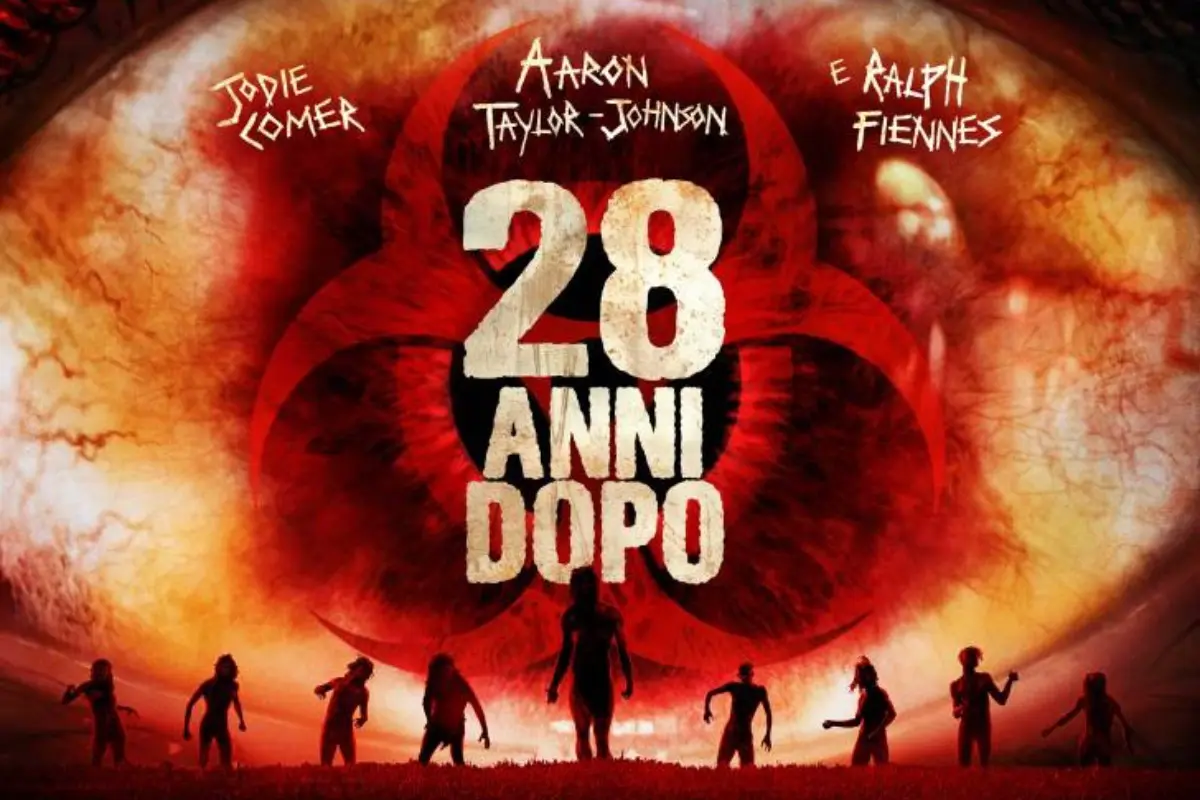
Danny Boyle (127 hours) and Alex Garland’s 28 Days Later saga returns to cinemas with 28 Years Later, a sequel released on June 18 that, according to early reviews, stays true to the franchise while offering a fresh twist on the zombie genre.
The original film redefined post-apocalyptic horror, and the following chapters build on that legacy. While it may feel less groundbreaking more than two decades later, the series still stands out for its realism, sociopolitical themes, and unique take on the infected.

28 Days Later‘s success
When 28 Days Later hit theaters in 2002, it shook up the zombie genre. Instead of the slow, shambling undead, the film introduces a terrifying new kind of threat: fast and aggressive infected. Unlike traditional zombies, these are still-living people, overtaken by the Rage virus, which strips them of all self-control. Director Danny Boyle’s decision to cast professional athletes also helps give the infected much more intensity, making every encounter feel dangerously real.
The story of 28 Days Later follows Jim (Cillian Murphy), who wakes up alone in a deserted London just days after a deadly virus unleashes chaos. This iconic scene was filmed on location by temporarily shutting down parts of the city.
What makes the film special isn’t just its fast-paced action or the eerie, empty city streets, but also the raw digital filming that makes the horror feel all the more real. The music, especially the strong and tense song In the House and In a Heartbeat by John Murphy, adds to the feeling of fear and enhances the immersion.
The movie delves into larger themes, including the failure of institutions during crises, the collapse of society, and the darker aspects of human nature that emerge when civilization breaks down.
Cillian Murphy reflected on how the Rage virus represents more than just a monster: “It’s about the failure of systems, and what human nature becomes in the absence of rules.” Despite being made on a modest budget, the film’s bold vision and these powerful themes quickly made it a landmark in post-apocalyptic horror, setting the stage for everything that followed.

28 Weeks Later
Directed by Juan Carlos Fresnadillo (Damsel), 28 Weeks Later follows the original film, taking place 28 weeks after the initial outbreak. The story follows Don (Robert Carlyle) as hope for recovery clashes with the virus’s relentless threat. The film shifts focus to efforts to rebuild London under military control, only for everything to spiral out of control again.
Unlike the first film’s intimate and raw style, this sequel raises the stakes with bigger action scenes and a larger production, also showing the infection spreading outside the UK, with infected reaching the base of the Eiffel Tower in Paris. The movie still manages to keep the terror alive, especially with a memorable opening sequence that perfectly captures chaos and panic.
While 28 Weeks Later leans more into action, it also explores the consequences of authority, trust, and the fragile nature of peace in a world still ruled by the virus infection. Though it lacks the indie feel of its predecessor, it expands the universe and shows just how devastating the Rage virus can be.

Using a virus to talk about deeper themes
The 28 Days Later franchise expanded the zombie genre by replacing slow, mindless undead with more realistic, fast, rage-driven infected. Director Danny Boyle and writer Alex Garland used this shift to explore how society reacts when it collapses from within.
These themes have remained central in their later works, including Garland’s Civil War (2024) and the upcoming Warfare (2025), both of which examine war and the breakdown of order through a grounded perspective.
Both Boyle and Garland view the Rage virus as more than just a plot device. Boyle describes it as “a metaphor for modern anxieties.” At the same time, Garland frames it as both a physical and ideological contagion, forcing audiences to confront uncomfortable truths about fear, authority, and survival.
With 28 Years Later, the creative team revisits these same ideas, evolving them through a fresh perspective. Critics argue that the film builds on the franchise’s legacy by introducing emotional complexity and timely political relevance in a truthful representation of modern geopolitics.

28 Years Later reviews
28 Years Later marks the franchise’s return to cinemas, and early reviews suggest it is a bold and faithful continuation. Critics widely praise the performances, especially those of Aaron Taylor-Johnson (Bullet Train) and Jodie Comer (The Last Duel). The film’s raw and intense tone, along with its gritty atmosphere, has also been positively received. They also appreciated the blend of traditional cinematography with innovative techniques, such as the extensive use of iPhone footage.
Some reviewers note a slower pace and a stronger focus on emotional drama over pure horror, but overall, the reception is positive. Box office performance in the coming weeks could significantly impact the production and release of the next installment, 28 Years Later: The Bone Temple, with Cillian Murphy reprising his role as Jim.