 Collections
  Magazine
  Exhibitions
  ITA version













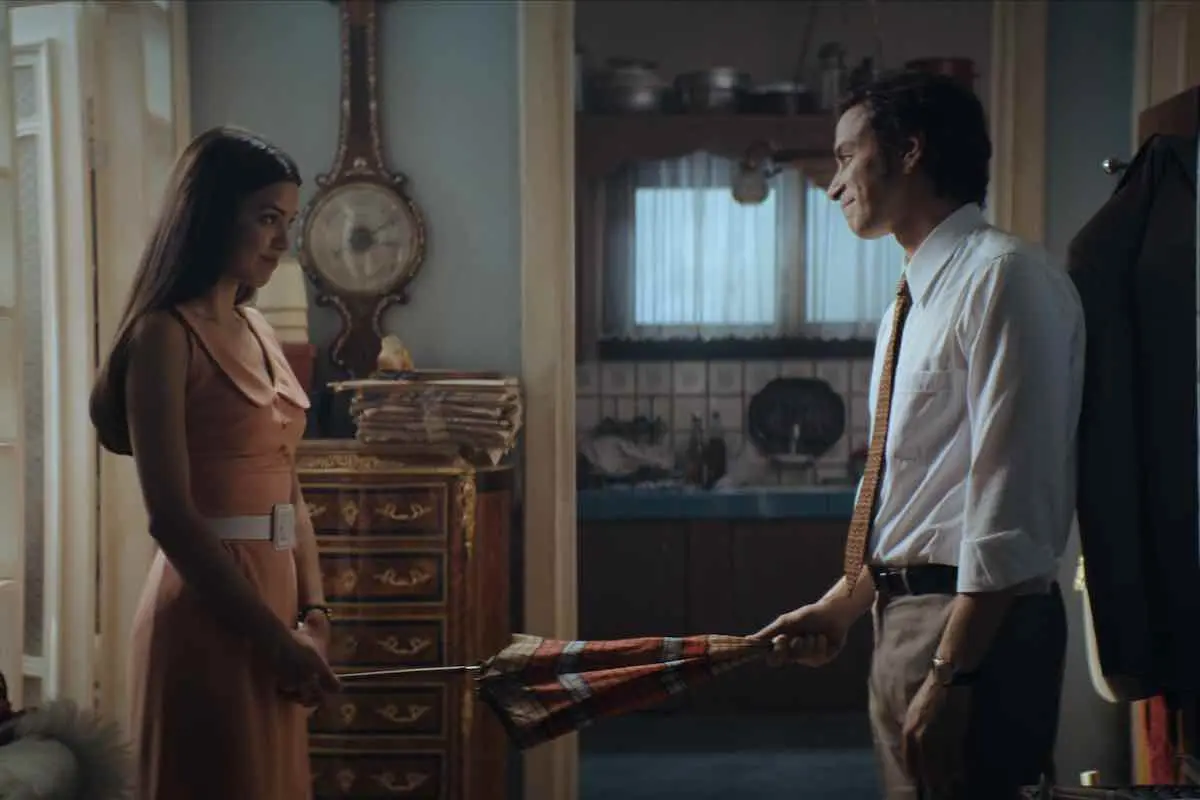
The Museum of Innocence on Netflix Explained: Orhan Pamuk’s Story of Love and Obsession


Visiting Istanbul, it’s possible to encounter a very particular kind of exhibition: Orhan Pamuk‘s Museum of Innocence. The Turkish writer created it after the publication of his eponymous novel, which earned him a Nobel Prize in 2006. The idea was simple: a man, destroyed by his lost love, decides to collect any object that reminds him of the woman he can’t forget. The exhibition results in a hymn to a burning passion and a heart-wrenching melancholy. A collection that speaks to everyone by wondering about the craziest things one would do for love.
Yet, it isn’t necessary to take a plane to get in touch with this story, as Netflix released the show on February 13, 2026. The series was directed by Zeynep Günay and written by Ertan Kurtulan, under Pamuk’s strict control. He had a clear idea about what he could have accepted for an adaptation, and he rejected the first proposal. Though he declared himself fully satisfied with the final result, as it respects his work’s spirit and atmosphere.

Kemal and Füsun: A Story of Love and Obsession
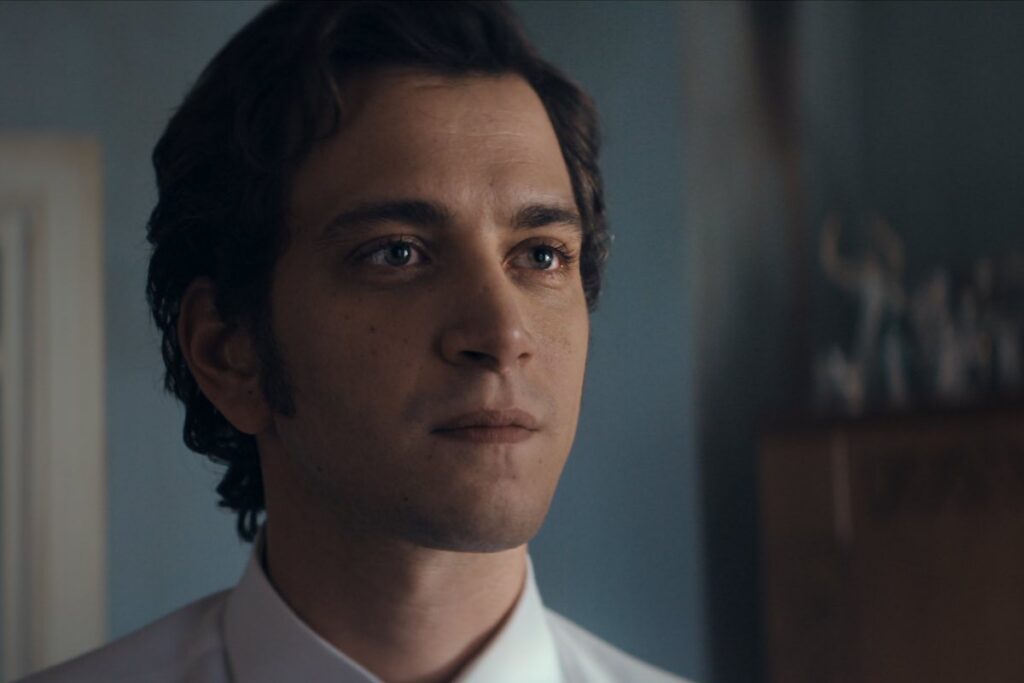
Kemal (Selahattin Paşalı) is a successful man in his thirties. He works with his father in their family business, which he will inherit, and he’s going to officially get engaged to Sibel (Oya Unustası Taşanlar). Their relationship is so long-lasting that, despite the moral tradition, they already had sex, as it was clear they would have married. Yet, one day, to buy her an elegant bag, he enters a shop and meets Füsun (Eylül Lize Kandemir). They’re related on his mother’s side, but Kemal doesn’t even recognize her at first. However, he can’t help but admit to himself that she’s wonderful and fascinating.
When he has the opportunity, he proposes giving her an extra maths lesson, as she’s preparing for an important exam. No one sees a risk in his offer, as he’s an older, kind, and brilliant relative. But both Kemal and Füsun feel immediately attracted to each other. Their private meetings soon led them to the same bed, and as the engagement’s date approaches, Kemal has to admit it was not a simple affair. When Füsun disappears, his obsession pushes him to collect earrings, hairpins, and even the cigarette butts she smoked: any tiny things she touched. Object after object, he builds a shrine for his lost, forbidden love: the Museum of Innocence.
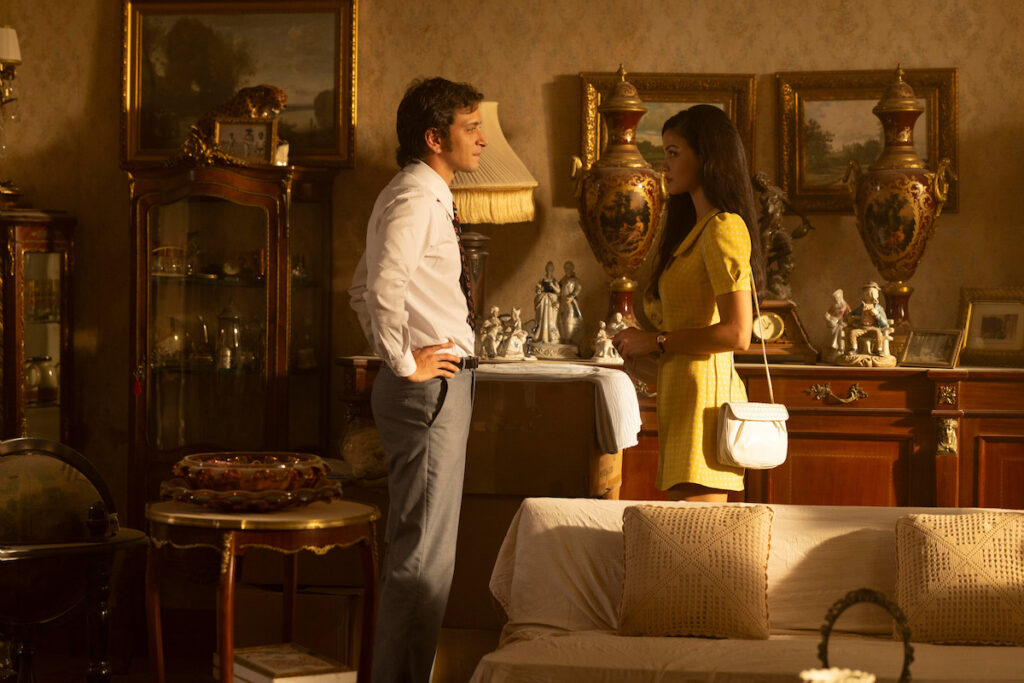
Visual Style: Photography, Nostalgia and Detail
Apart from the love story, the show portrays a nation split between present and past, innovation and tradition, and social differences. Günay depicts a Turkey that still fights between modernization and solid tradition. Both Sibel and Kamal (besides his parents) emphasize that he has to marry her as they had sexual intercourse. Yet, they all try to conduct a Western lifestyle, leaving superstitions and the past behind.
Cinematographer Ahmet Sesigurgil covers the story with warm shades and slightly grainy shadows, recalling old photographs. Colors and light create a very particular atmosphere that evokes nostalgia even in the happiest moments and situations. Moreover, the camera focuses on small details and face expressions, giving extreme importance to emotions and the small things that remind one of their love.
Voiceover and Soundtrack as Narrative Devices
The soundtrack gives the final touch to the context. Most of the time, it is extradiegetic (except for some tracks playing on the radio or during parties). However, sometimes music becomes a character in itself, commenting on situations or evoking frames of mind, places, or past times.

However, the narrative device that most enhances the protagonist’s obsession is the use of his voiceover as an omniscient narrator. It’s Kemal himself who tells his story, and it seems he’s doing it as a sort of memoir. Yet it also sounds like he discovers his own story together with the audience, just hinting at something that will mark his life, but he can’t know how deeply yet.
Love as Class Conflict and Social Transgression
The cult classic Wuthering Heights portrays one of the most controversial couples in literary history. Besides being stepbrothers, Catherine and Heathcliff belong to separate social environments: he is a gipsy; she is the daughter of an impoverished nobleman. Similarly, The Museum of Innocence also portrays a love story perceived as socially and ethically wrong. Long before Kemal had to admit himself he developed an obsession, many people showed worries about him and Füsun. Their families distanced themselves from each other because of their different status: more than their age gap, and blood relation, it’s their social distance that constitutes a scandal in their relationship, even though Kamal wasn’t already engaged.
The man knows it’s all wrong and tries to fight. Though he also knows this young cousin is the love of his life. It is a destructive kind of love, he knows that, but he also knows he can’t live without it. In Questa Storia, the Italian novelist Alessandro Baricco gives a glimpse of this kind of love and how the loved one is perceived:
Because she was crazy, and totally wrong. She was true, if you can understand what I mean. She was a street full of absurd curves, that run in the open country, not thinkig about a coming back. Even not knowing where she was going. She was a street where one kills oneself.
Extract from Questa Storia, translated by the author.
In Questa Storia, so as in The Museum of Innocence and Wuthering Heights, the edge between love and sickness becomes more and more faint. It also becomes an addiction and an obsession, and sometimes the lover themselves perceive it as excessive. Yet, it can do nothing but keep running on his “crazy street”, as its charm is too strong, the feelings it causes too powerful. It’s the only thing that keeps the lover alive. And even going through the greatest pain, or recognizing that it will end in a devastating crash, it remains sacred. In this sense, it is the purest and most innocent feeling.
Is Love Worth the Destruction It Causes?
Pamuk realized an actual franchise of the Museum of Innocence. Besides the original novel and the museum, for which he also wrote the catalog and the manifesto, he took part in a documentary about it. It isn’t surprising, so, that he aimed to the control upon Netflix’s production. As reported by The New York Times, he refused payment and a contract until the project was closed. Everything he imposed on the cast, though, works to create a portrayal of human feelings and contradiction.
The show is an essay on the love that defines who we are and who we become as we grow into adults. Kemal always knows what is proper for him to do; yet, only Füsun seems to give sense to his existence. She soon becomes an obsession in his days, and even after he tries to do the right thing, he can’t forget what real love is. Füsun well knows that, too. If at first she suffers even more, when they finally get their occasion, she’s fully aware of her power.
The Museum of Innocence could have been another tragic tale of love, but its strength lies in posing one essential question. Up to where are we ready to go for love? Yet, the lovers’ tragic ending seems to leave no doubt: as painful as the final crush can be, true love is always worth the risk. Only those who experienced true passion in the face of death can affirm that they lived.
Tag