 Collections
 Magazine
 Exhibitions
 ITA version







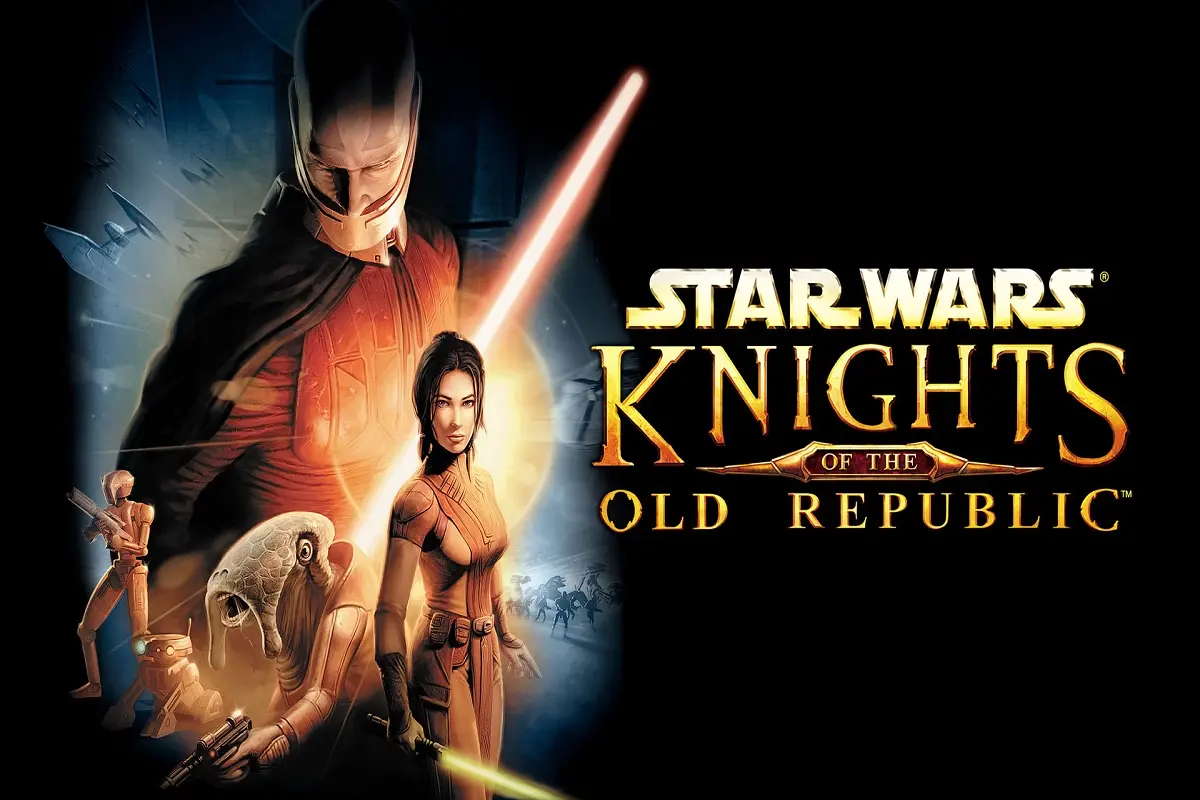
Star Wars: Knights of the Old Republic: How Your Choices Shape the Galaxy


Art Director
Lead Composer
Four thousand years before Jedi Knight Luke Skywalker joined the Rebellion against the Empire, Knights of the Old Republic plunged the Old Republic into war with the Sith Empire. Released in 2003 by BioWare, the game was the first Star Wars single-player role-playing game. Fans and critics consider KotOR one of the best Star Wars stories, and it constantly puts new choices in front of players.

Embarking on a quest to find an ancient Star Map, players will retrace the steps of vanished Sith Darth Revan. From which iconic Star Wars planet to visit first to who will accompany them, Knights of the Old Republic offers a new look at the franchise. Indeed, it mixes the classic tale of good and evil with unprecedented freedom and moral choices.
From Baldur’s Gate to Knights of the Old Republic: BioWare’s RPG Legacy
Though it was only its second game, Baldur’s Gate became BioWare’s bombastic start. Combining a party-based game with Dungeons & Dragons rulesets and lore, the company became a trailblazer in Western role-playing Games. In fact, BioWare reused D&D’s d20 system in Knights of the Old Republic. Featuring quasi-real-time action, players, their characters, and enemies take turns in combat while the game simulates a real-time flow. Then, the game calculates damage and saves based on the pen-and-paper role-playing game. It would hide all the rolls and calculations behind a cinematic. This system merged easily into the fully real-time exploration gameplay.
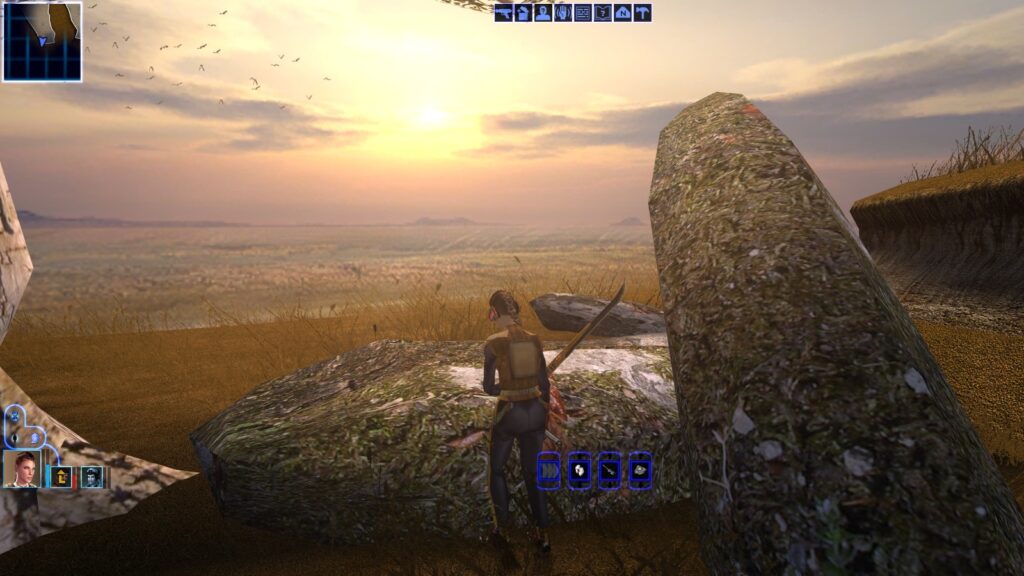
The player’s choice is woven into the fabric of the game. From gender and appearance to clothing style and weapon used, players can customize much of their experience. Significantly, BioWare’s character creation and party system became a staple in RPGs, and KotOR was a major influence for an entire decade.
Moral Choices and the Light and Dark Sides of the Force
The core of Knights is in its choices. Indeed, BioWare heavily advertised the game’s freedom of approach as its main appeal. While other RPGs offered multiple approaches during missions, transitioning this system into the Star Wars universe created a unique opportunity. Every quest is a moral conundrum in which players must make a choice. Helping others or harming them forms the game’s entire structure, crystallized in the alignment system. This device visually represents a character embracing the Light side of the Force, or straying from its path to become a Dark Side acolyte. Moreover, even the game’s party reflects this. From enlightened Jedi Knights to sarcastic bounty hunters, the characters joining the player’s journey each represent a shading in the game’s morality.
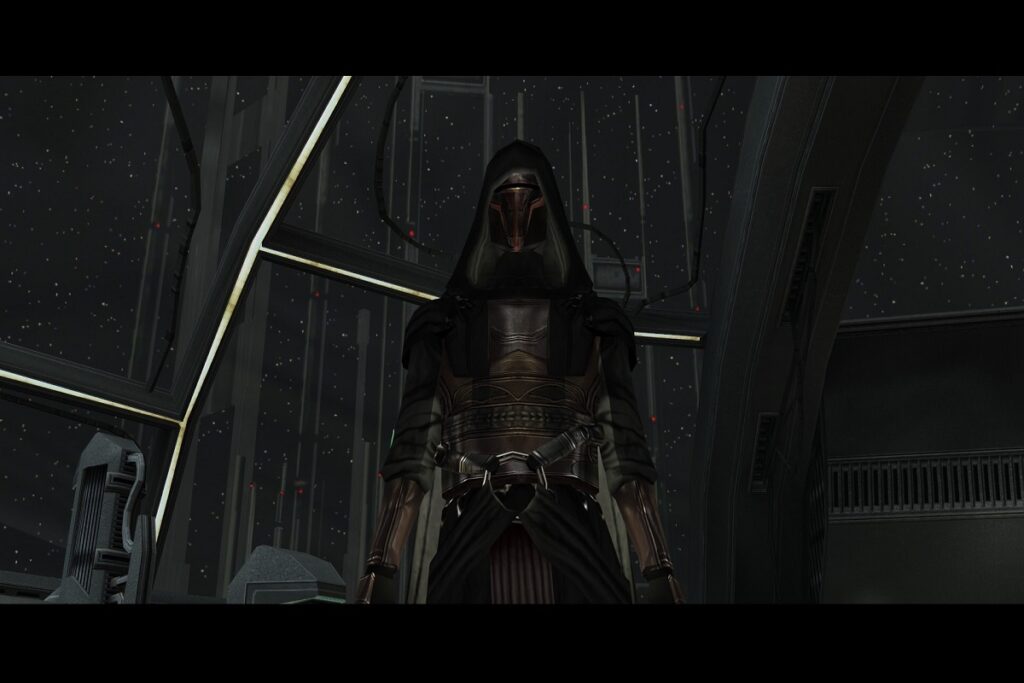
Anchored in Darth Vader’s famous plot twist in the 1980s Empire Strikes Back, the game’s narrative pivots around Darth Revan’s legacy. Throughout the game, players constantly hear about this past adventure until the final revelation: they themselves are the fabled Sith. Like A Christmas Carol, each planet serves as a window into Revan’s past. Like Scrooge meeting his Ghosts, players relive Revan’s actions, retaking the same steps from a different perspective. However, while Scrooge ultimately changes for the better, the choices made on this new journey shape Revan’s fate.
The Fallout franchise similarly structures its games around multiple choices shaping the story. From the original 1997 title to games like New Vegas, players can significantly alter how the plot unfolds and how the playable character ends up at the conclusion.
Darth Revan and the Possibility of Redemption
A similar idea appears in JRR Tolkien’s masterpiece The Lord of the Rings. While Knights of the Old Republic asks whether one’s past actions shape identity, the Ring-obsessed Gollum constantly faces choices that could redeem him. In LotR, his inability to let go of the Ring and reject his past dooms him in Mordor. At the same time, players can indulge the Dark Side and turn Revan back into a malevolent figure, or reject the past and create a new future.
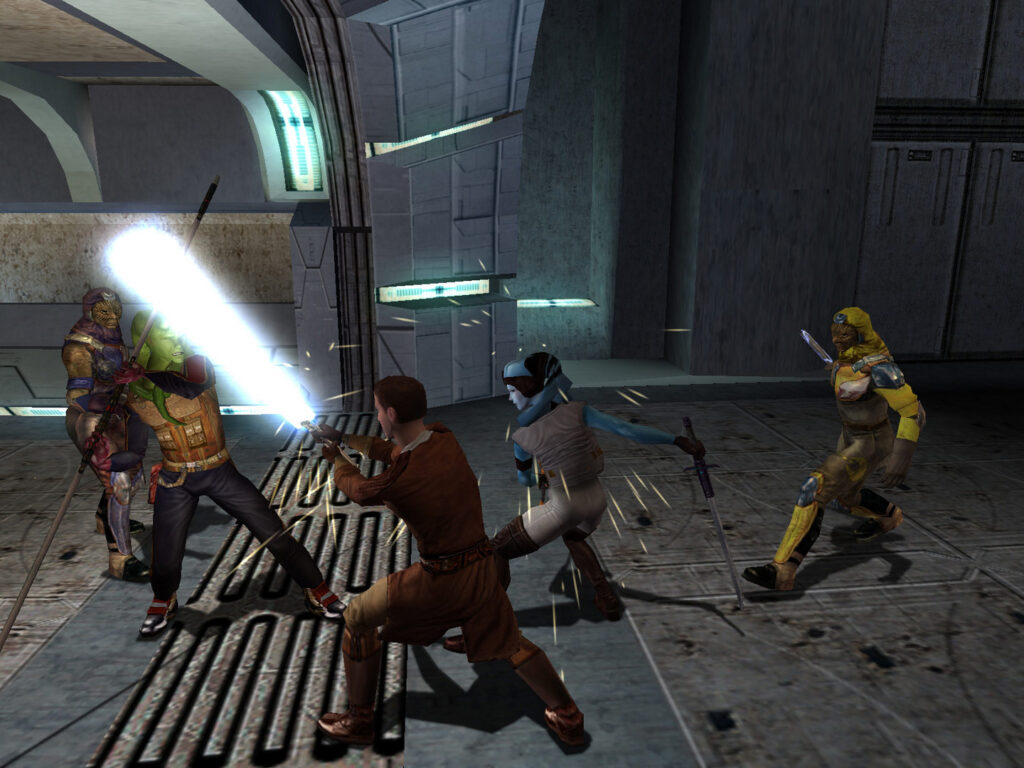
However, redemption doesn’t come only for Revan. Indeed, many characters who join the players across the galaxy carry a burden. From a loved one lost to the Sith to a family feud, stories create conflict between players and their party. These stories, shaped by the players, can have different conclusions that affect the ending. Like Brubaker’s Catwoman, the party’s antiheroes are given the chance to redeem themselves and work against their past. Like 1999’s The Iron Giant, what they did before doesn’t necessarily determine who they’re destined to be.
How Knights of the Old Republic Influenced Star Wars and RPGs
Knights of the Old Republic is one of the first Star Wars games that lets players create their own character. Released the same year, the action-adventure Star Wars Jedi Knight: Jedi Academy also featured character creation, though its storyline was set after Return of the Jedi. All of these games appeared in the old Star Wars Expanded Universe. Knights of the Old Republic played a major role in the old canon. It was set during the Tales of the Jedi era. Moreover, the game introduced events that would reappear a hundred years after the Empire’s fall.

Likewise, the game’s influence expands beyond Star Wars. While Obsidian Entertainment developed a sequel, BioWare itself expanded the concept with its original Mass Effect. The sci-fi trilogy became a fan favorite and a highlight of the Xbox 360/PlayStation 3 generation. Later on, companies such as CD Projekt Red and Larian Studios drew inspiration from BioWare and its game. Additionally, Larian went further and developed Baldur’s Gate 3, continuing the legacy of BioWare’s first success.
Tag