 Collections
  Magazine
  Exhibitions
  ITA version













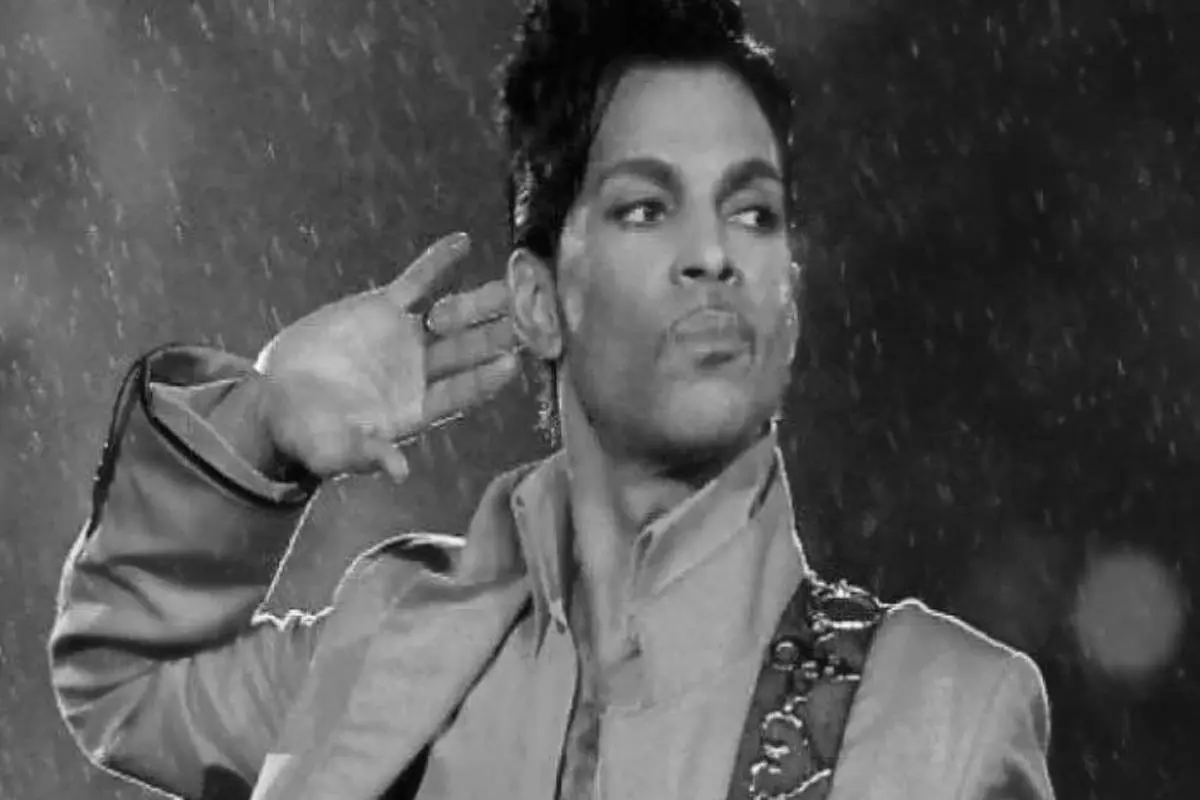
Prince’s language and musicality forever changed the history of music. Eclectic, visionary,
mysterious and controversial, very fragility. Prince Rogers Nelson died ten years ago, on April 21, 2016, at the age of 57. The cause of death: a fatal overdose of opioid painkillers. For years, the singer-songwriter had suffered from severe hip pain, partly caused by the shoes he wore. Often, they were very high heels. His lifeless body was found in an elevator at Paisley Park, the Minneapolis artist’s residency. Today, it is a museum celebrating the legacy of “The Purple One,” perhaps the nickname that best captures his essence.
Prince: a career of predestination
Born in Minneapolis in 1958, from a young age, he was considered destined for success. An immense musical talent: Prince could play over twenty instruments. For many, he remains one of the greatest guitarists in the history of music. He came close to the absolute legend of Jimi Hendrix. Nelson could move from funk to psychedelic rock, from blues to pop, without ever losing sight of the sonic quality of his songs.
At just 19, he released “For You,” his debut album with Warner Bros. Young Nelson did it all: singer, composer, arranger. He played every instrument. It wasn’t a huge success, but the wait was short.

Prince’s greatest hits
“Purple Rain” is Prince’s signature song. Released in 1984, it has become an anthem for generations. Immortal, like him. The song brings the gift of the color purple, according to the American artist, representing the perfect mix of blood and pain. Purple is prominent in his bullfighter looks and beyond. Among the most famous songs are “Kiss,” another extraordinary piece from the Purple One’s artistic style.
Also included are “The Most Beautiful Girl In the World,” “When Doves Cry,” “Let’s Go Crazy,” and “Cream,” the latter of which speaks of sex and freedom: one of the singer songwriter’s most transgressive songs. And then there’s the heartbreaking “Nothing Compares 2 U,” written for Sinéad O’Connor, and “I Feel for You,” sung by Chaka Khan.

Pince: genius or megalomaniac? His legacy divides
A constant torment of the soul. His music reflects prophecy and musical vision on the one hand, and restlessness on the other, an inner peace that Prince never found. Perhaps it was part of his greatness. This is also why he has been much debated. Even today, it’s difficult to definitively answer whether genius or megalomania prevailed in the singer. The complexity of Prince’s universe remains, a uniquely his own world of unpredictability and mystery.
His sexuality has also been much debated: for gay people, he was completely straight; for straight people, however, he was openly gay. His profound nonconformity, the burden of a given name he never liked, and his difficult relationship with his mother and father all appear clearly in his autobiography, “The Beautiful One,” which was left unfinished due to his death.

From Stevie Wonder to Jame Brown: Prince’s Masters
The Prince universe is not easy to understand, nor even to enter. The American artist may have had more enemies than friends among his colleagues. Certainly, there are those few who inspired him. Prince himself cited them in several interviews. Three recurring names, each with a specific reference: James Brown’s stage presence, Santana’s skill with the guitar. In 1983, it was James Brown himself who invited Jackson and then Prince to take the stage during one of his concerts. The two performed back-to-back for a truly exceptional event.

But the one who most influenced the artistic life of the “Minneapolis Elf,” another nickname for Prince, was Stevie Wonder. “I’m inspired by Wonder and I admire him greatly. He manages to create a connection between music and spirit; he’s a role model,” said the singer. The course of history has revealed other things: their differences in language, their worldview.
The friendship has endured: when Prince died, Wonder was among the artists who suffered the loss most. Wonder’s concert at Bercy in 2010 remains an extraordinary moment when he invited Prince on stage to play Superstition with him.

Artists who didn’t respect Prince
The eternal rivalry with Michael Jackson has shaped a loyal and passionate musical dualism. Prince’s fellow rivals who over the years have criticized his language and artistic extravagance have been others. Keith Richards of the Rolling Stones once called Prince an “overrated dwarf.” This sentiment was far removed from the band’s, which instead held the Purple One in high regard. Paul Simon, on the other hand, said that Prince’s legacy would be quickly forgotten after his death. Sting said he didn’t like his Minneapolis colleague’s way of taking himself too seriously. Although Sting appreciated his musical qualities, he expressed annoyance at his arrogance.
Finally, George Michael. The press often attacked Prince for his detachment from journalists who accused him of being a “megalomaniac”: he almost never wanted to give interviews. The former Wham member initially defended him, admitting he didn’t understand his colleague’s attitude. It could prevent the press from telling lies.” George knew well what was being talked about: he was always in the crosshairs of the British tabloids always looking for a scoop on his private life.